STRENGTHENING RESILIENCE: UPSCALING BUSINESS CONTINUITY PLANNING THROUGH EDUCATION, TRAINING, AND INFORMATION
Disruptions, changes, and unforeseen circumstances are inevitable in the workplace—especially for organizations like cooperatives. At the Co-operative College of the Philippines, we recognize this challenge and are committed to equipping our fellow cooperators with the tools they need to respond effectively.
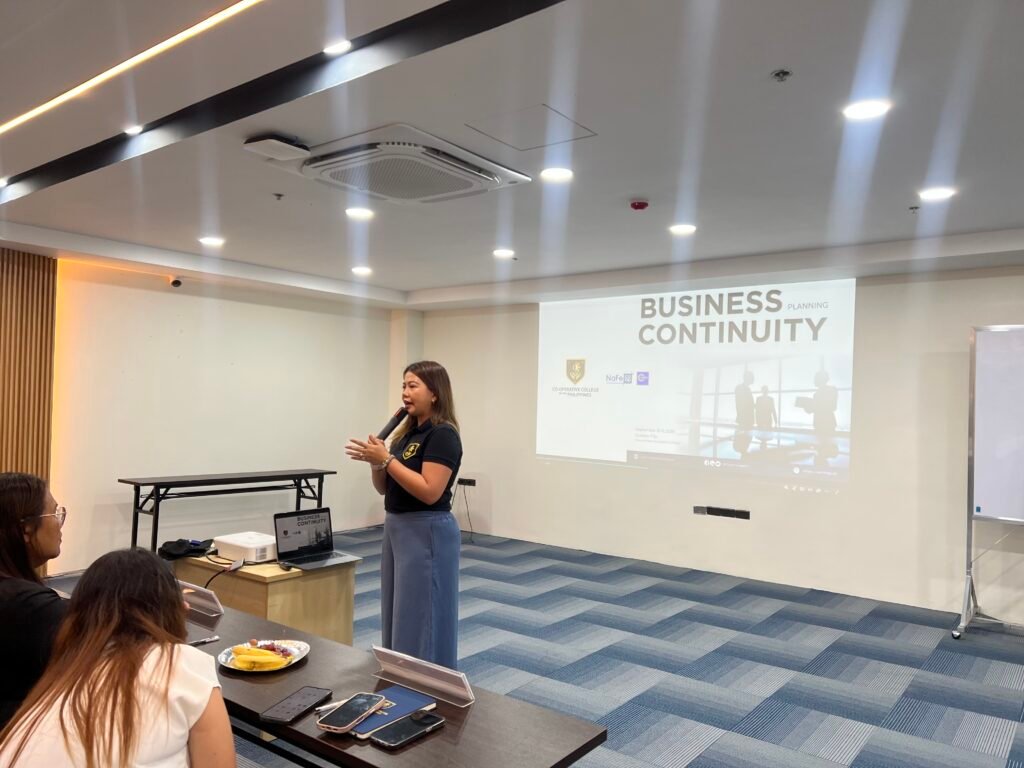
Enter Business Continuity Planning (BCP)—a program designed to provide learners with practical procedures and a strong framework to minimize downtime and enable faster recovery when disruptions occur.
BCP is more relevant today than ever. In a world where innovation is constant, new ideas and technologies emerge every day to help us better serve our communities. But with innovation comes change—and often, challenges. This is why it is crucial for cooperative leaders, managers, and teams to be well-equipped, positive, and resilient, ready to steer their organizations through uncertainty with strength and confidence.
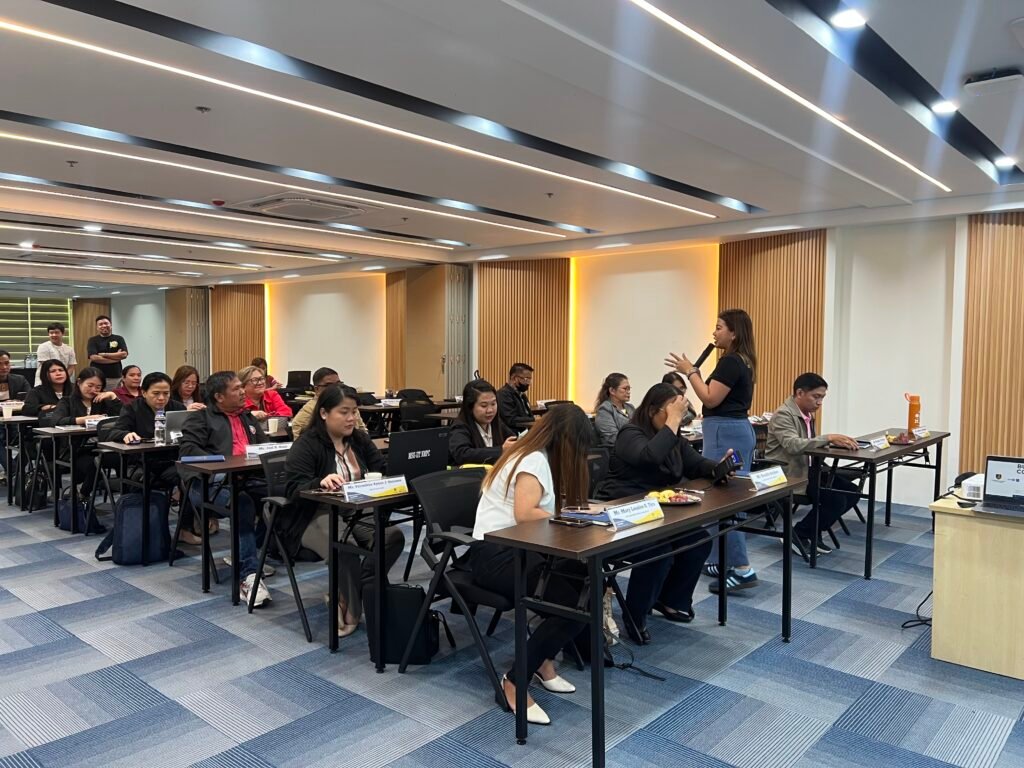
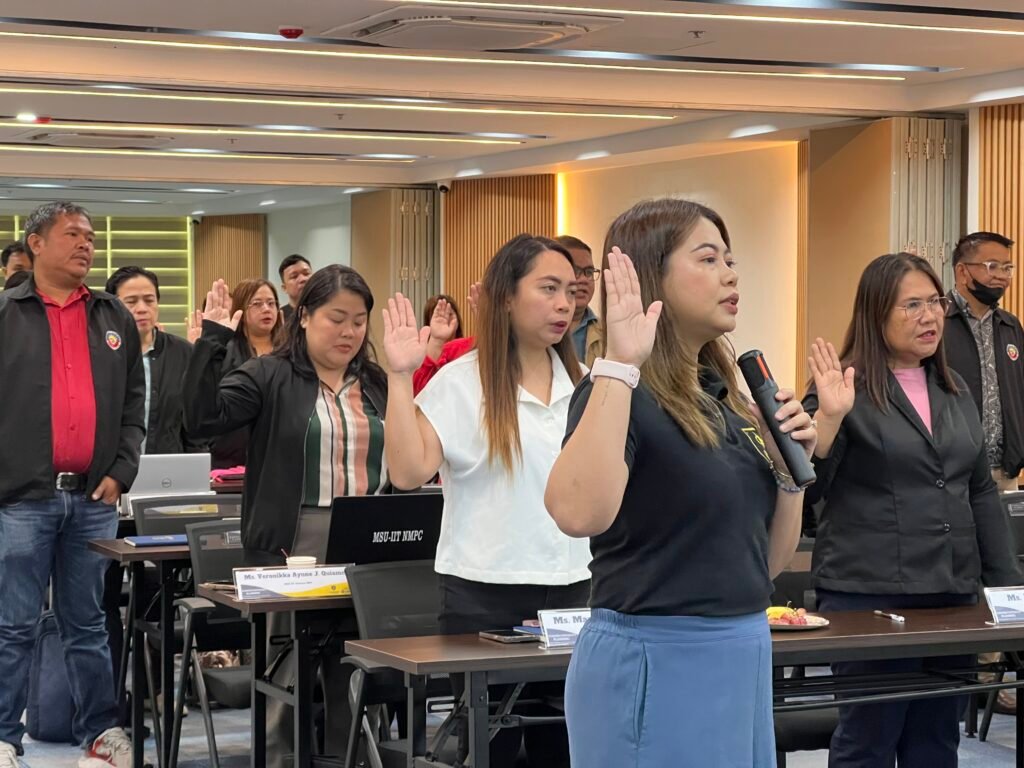
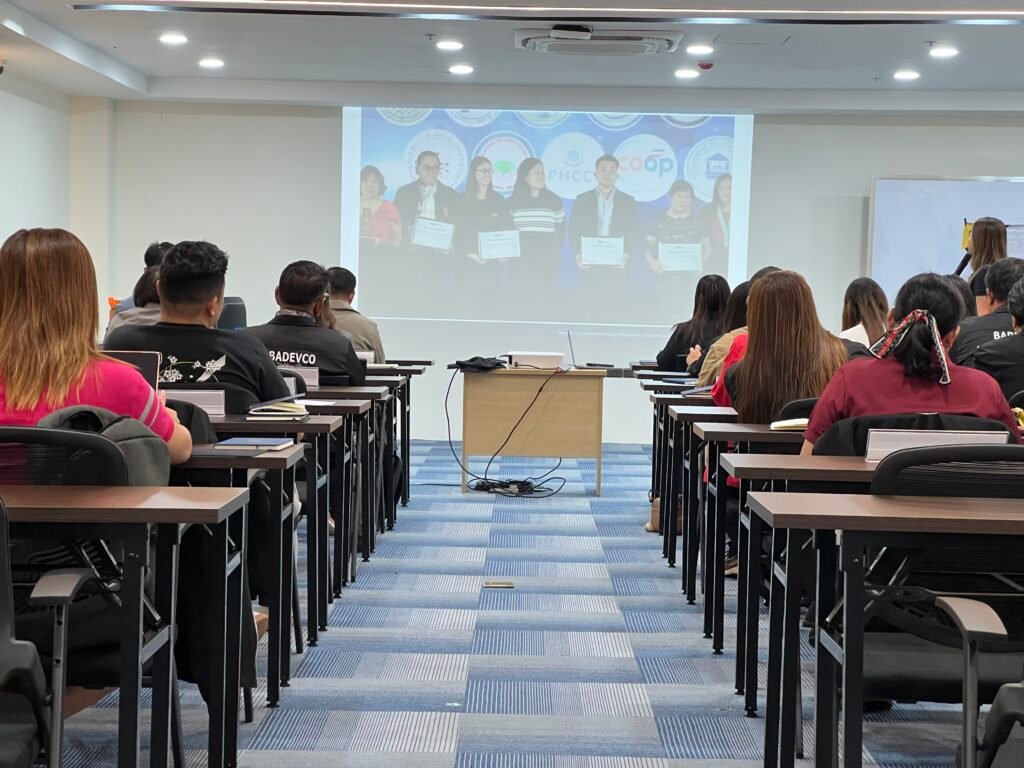
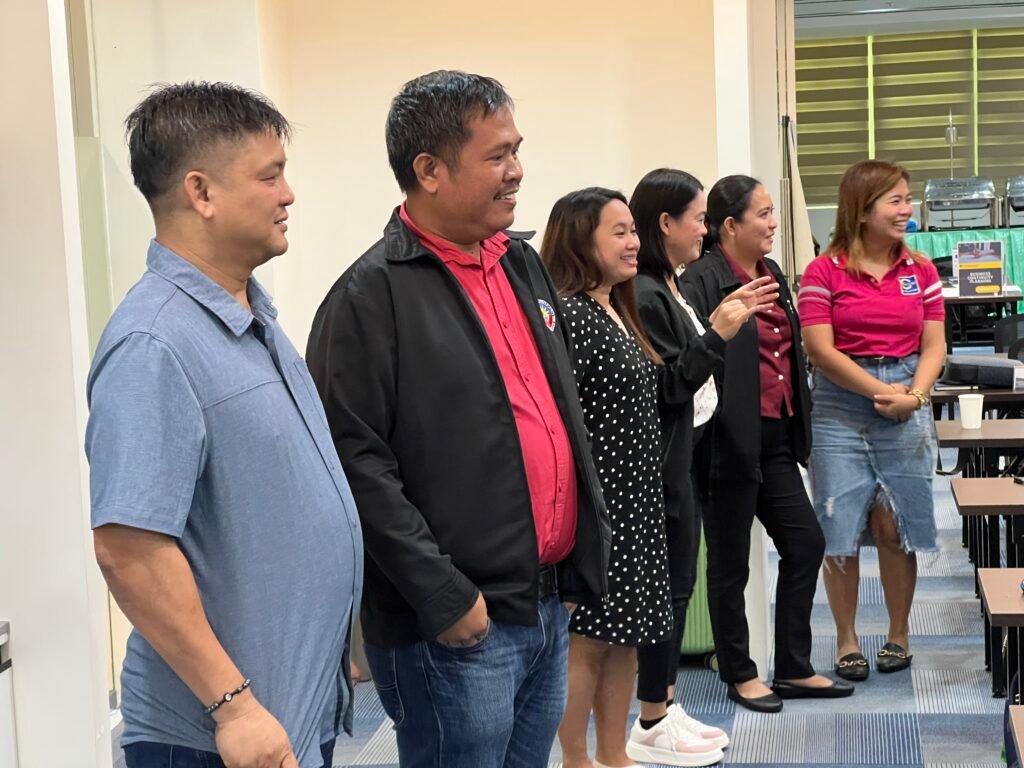
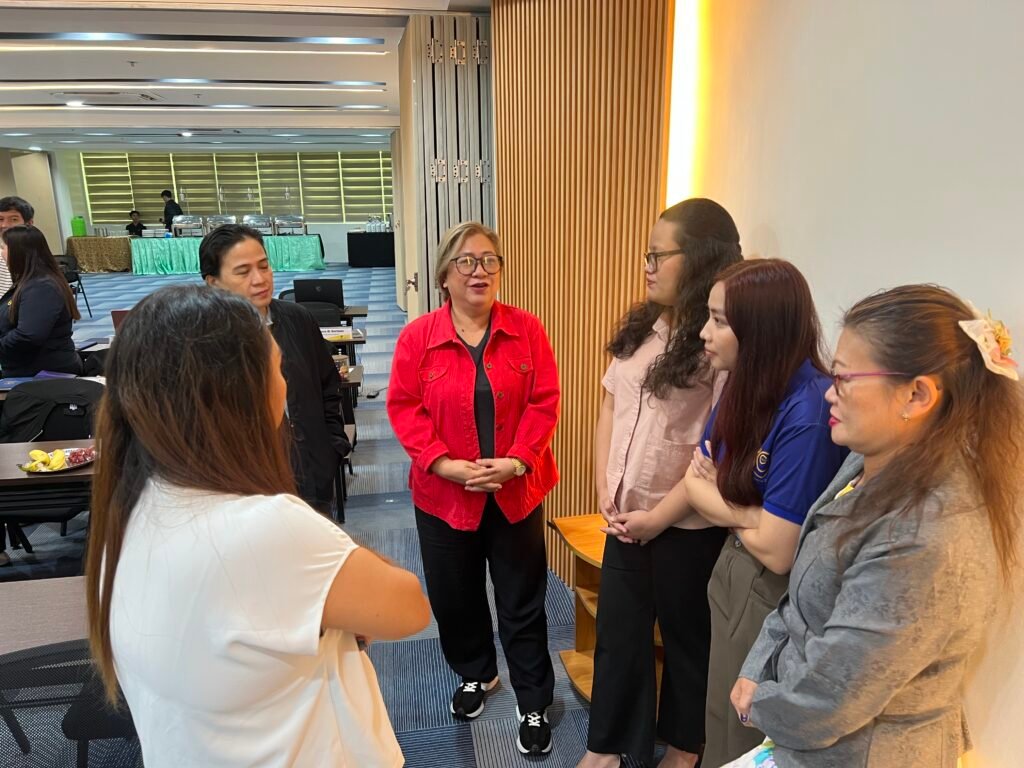
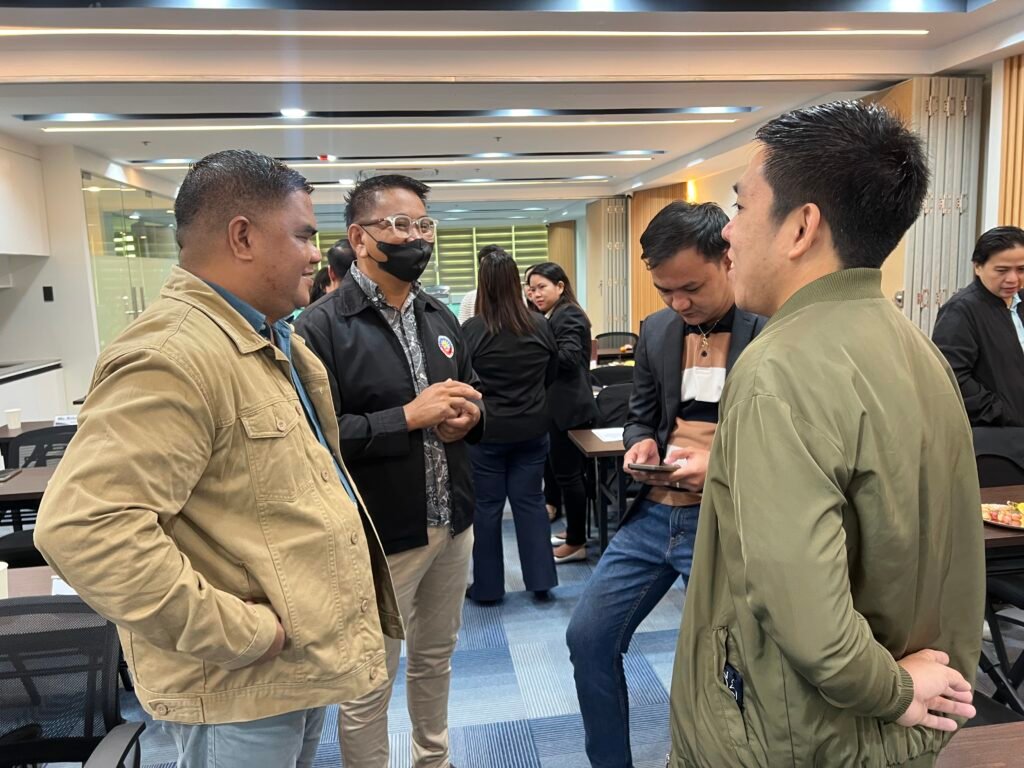
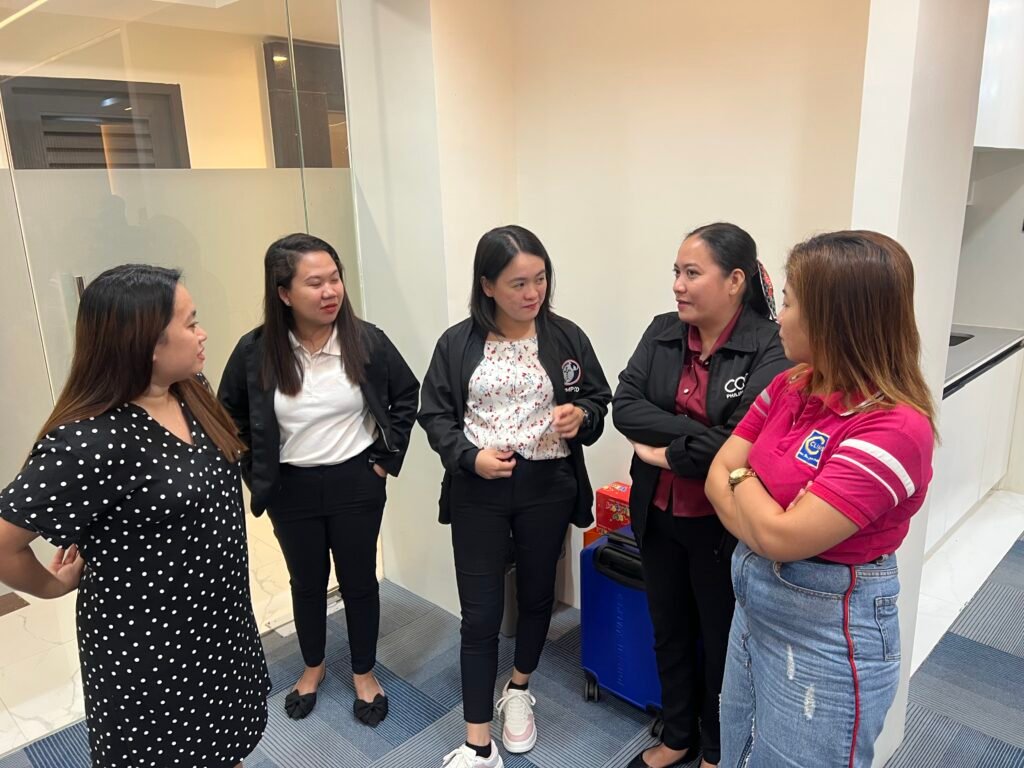
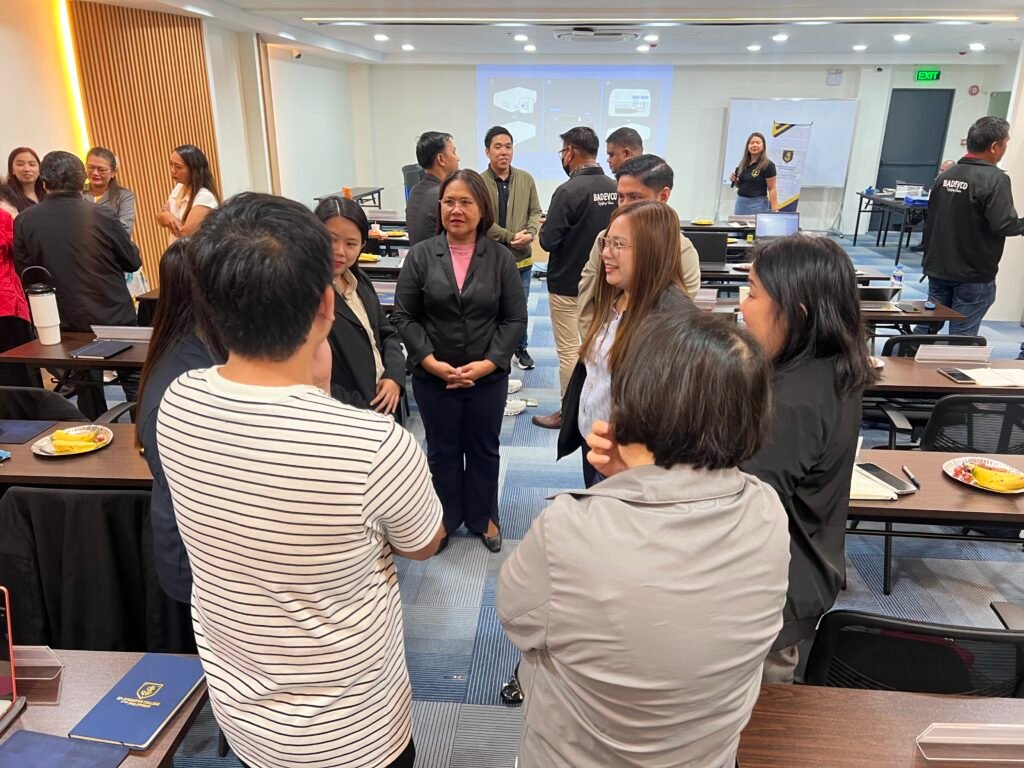
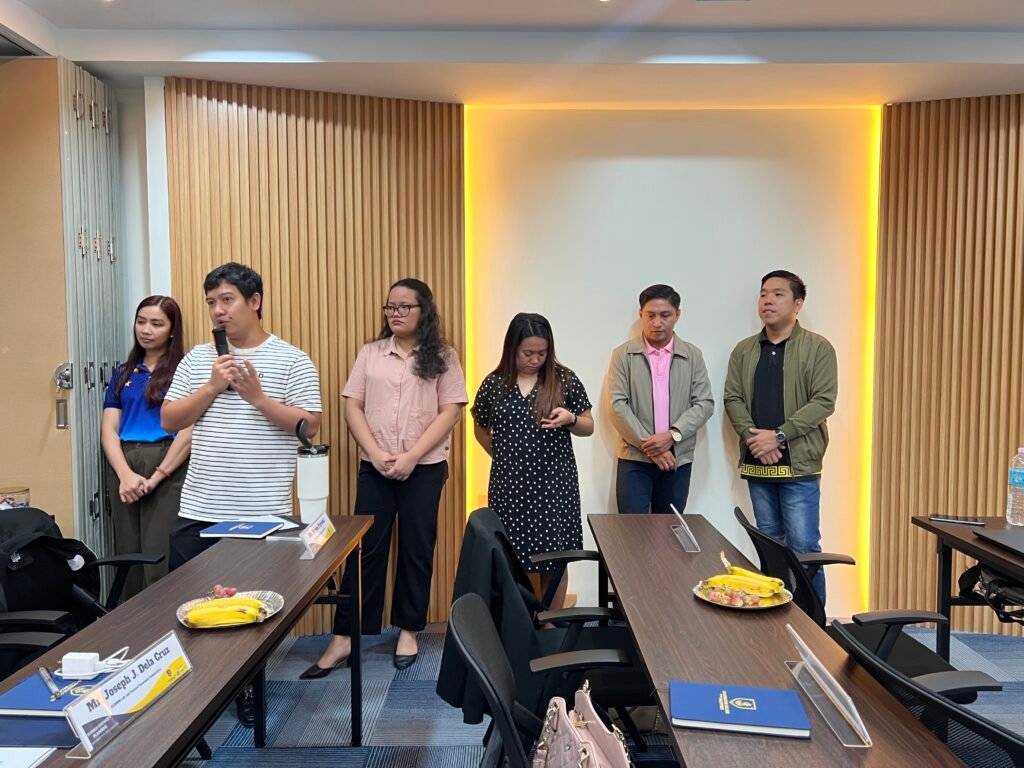
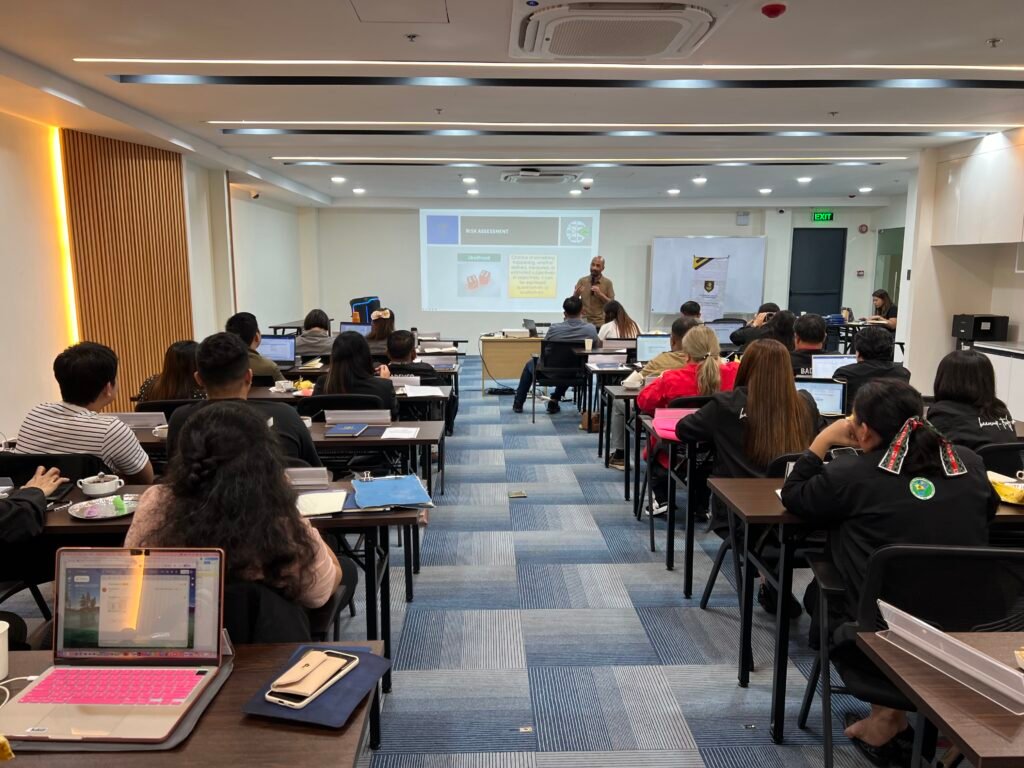
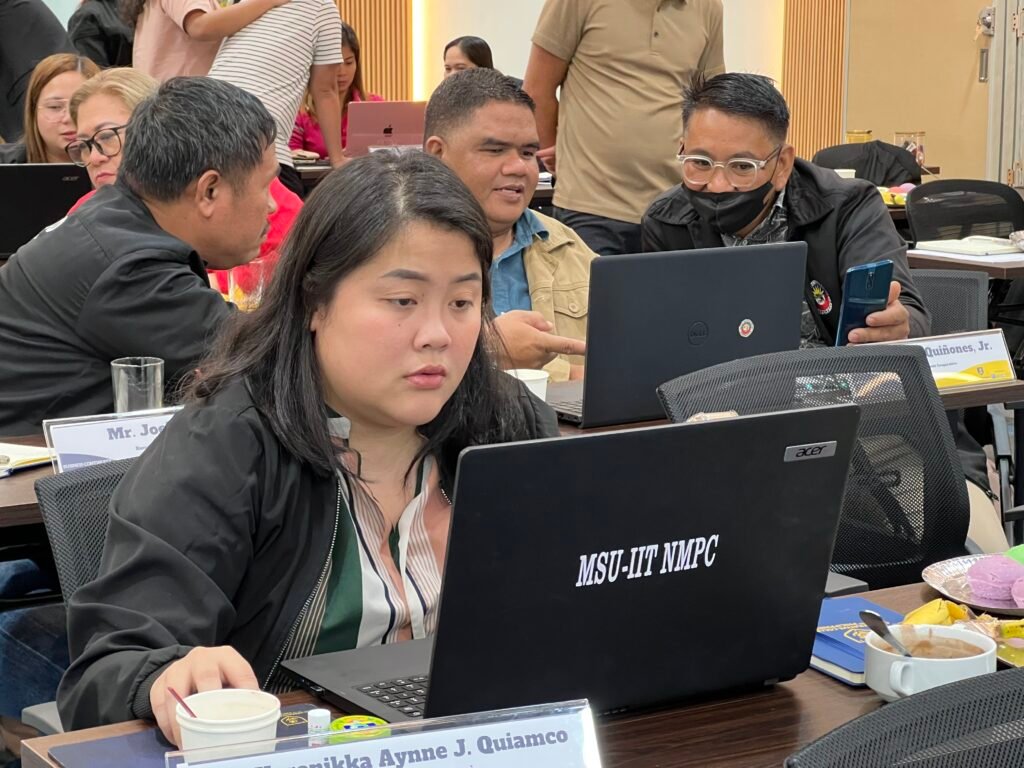
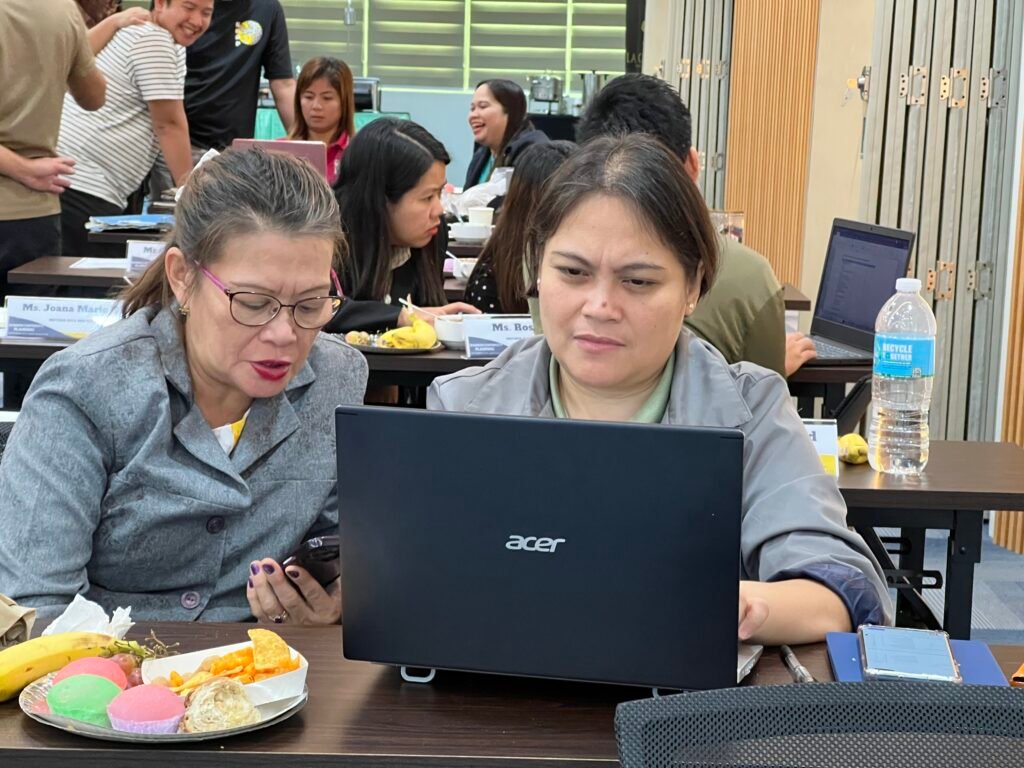
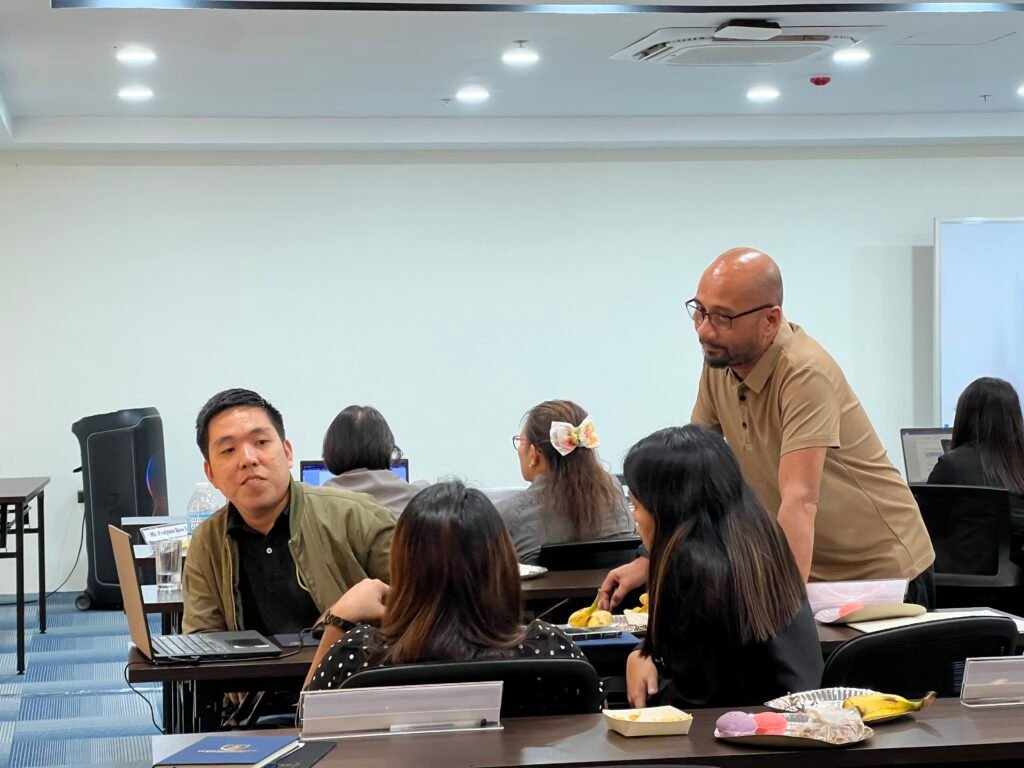
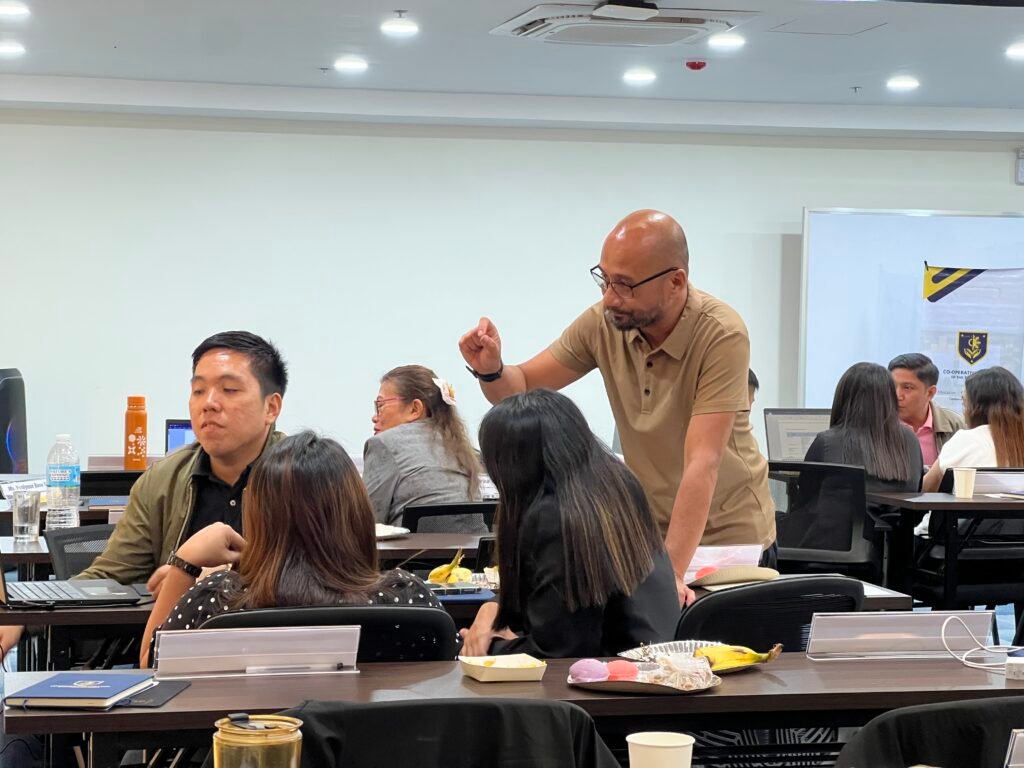
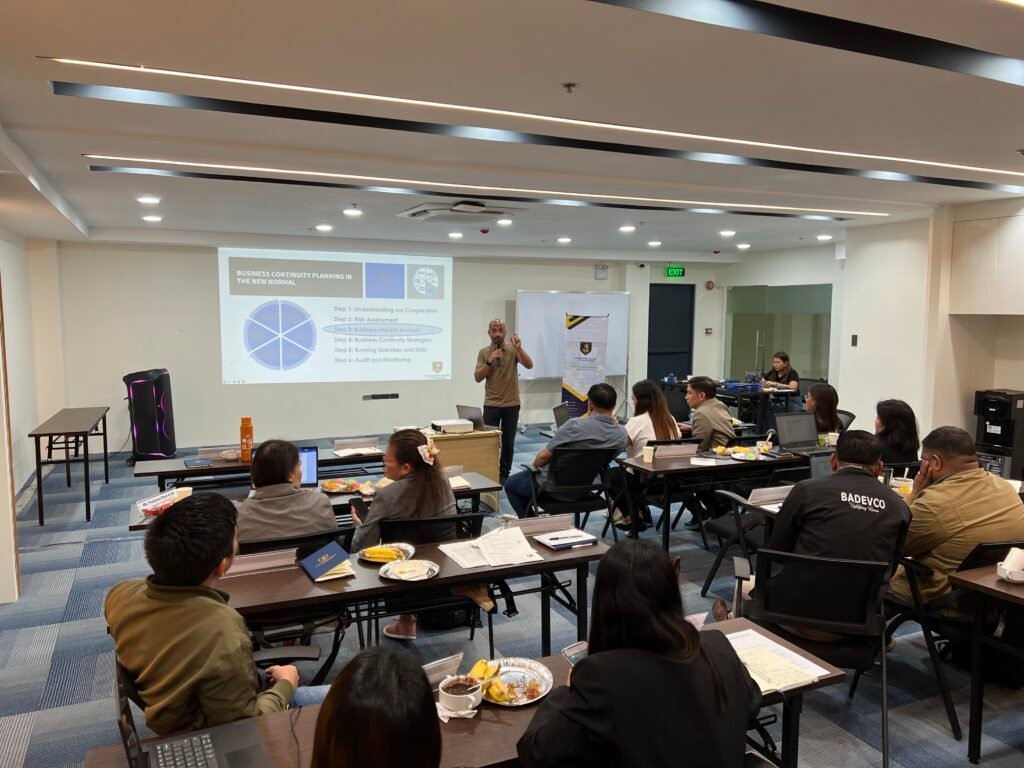
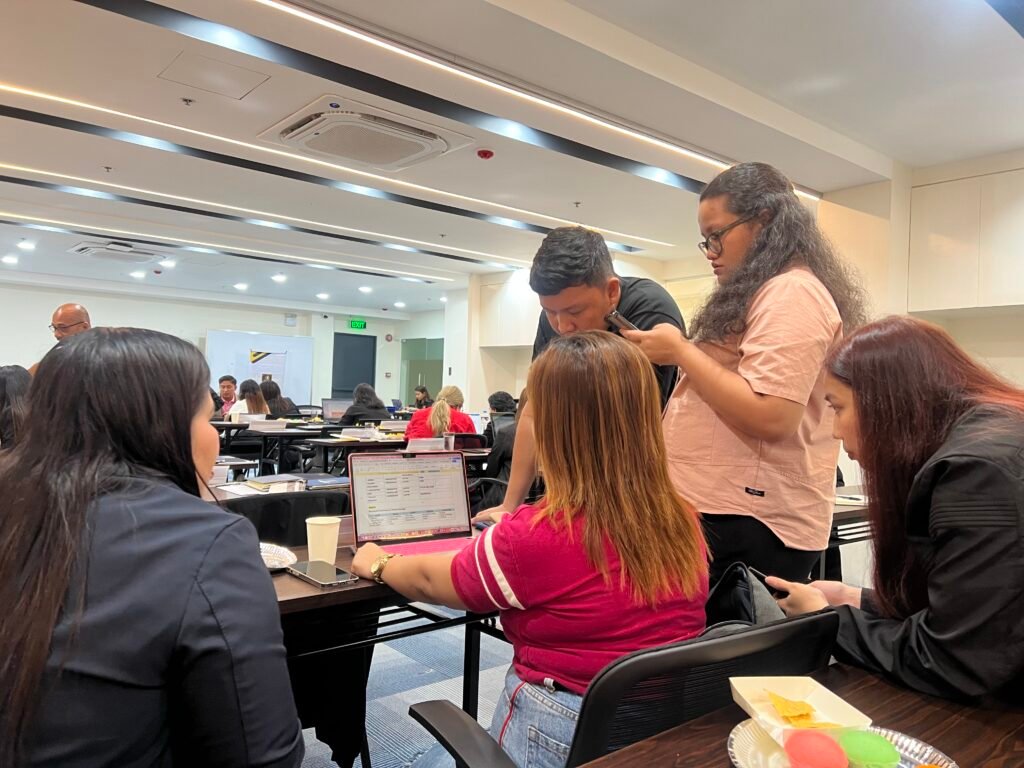
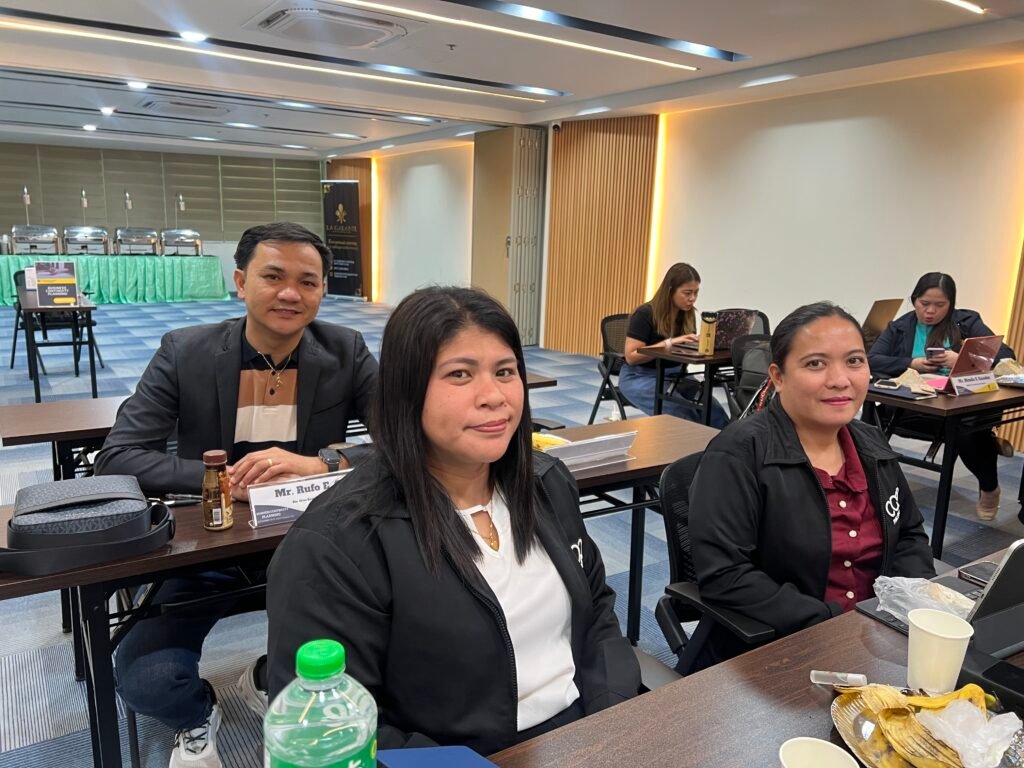
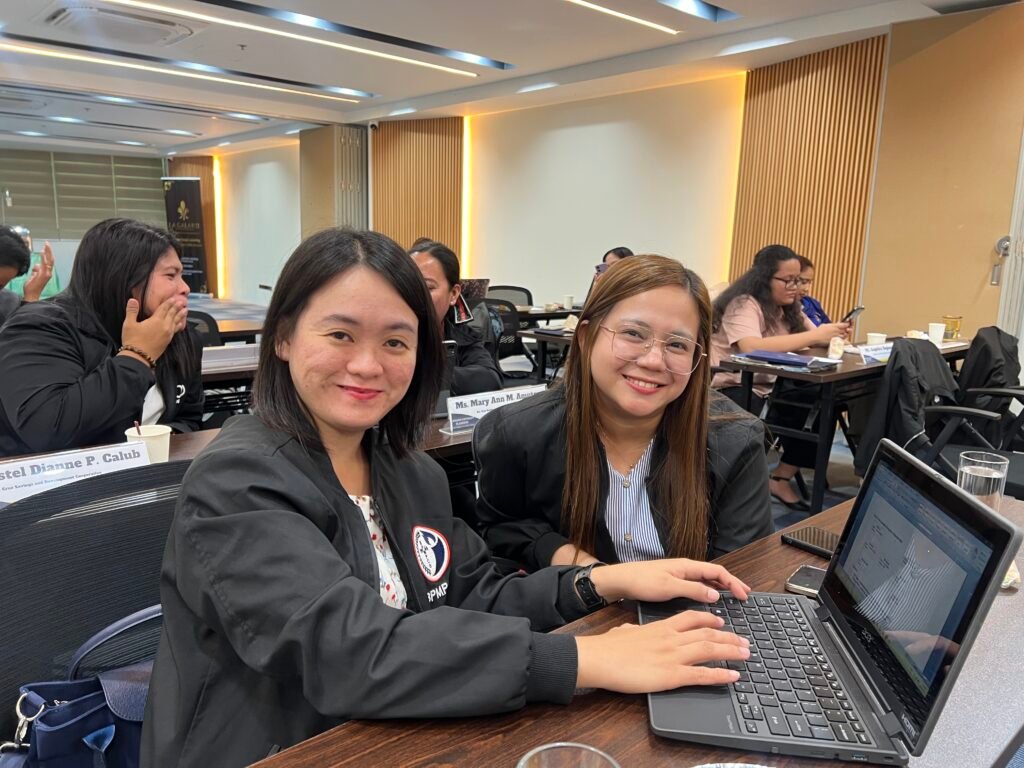
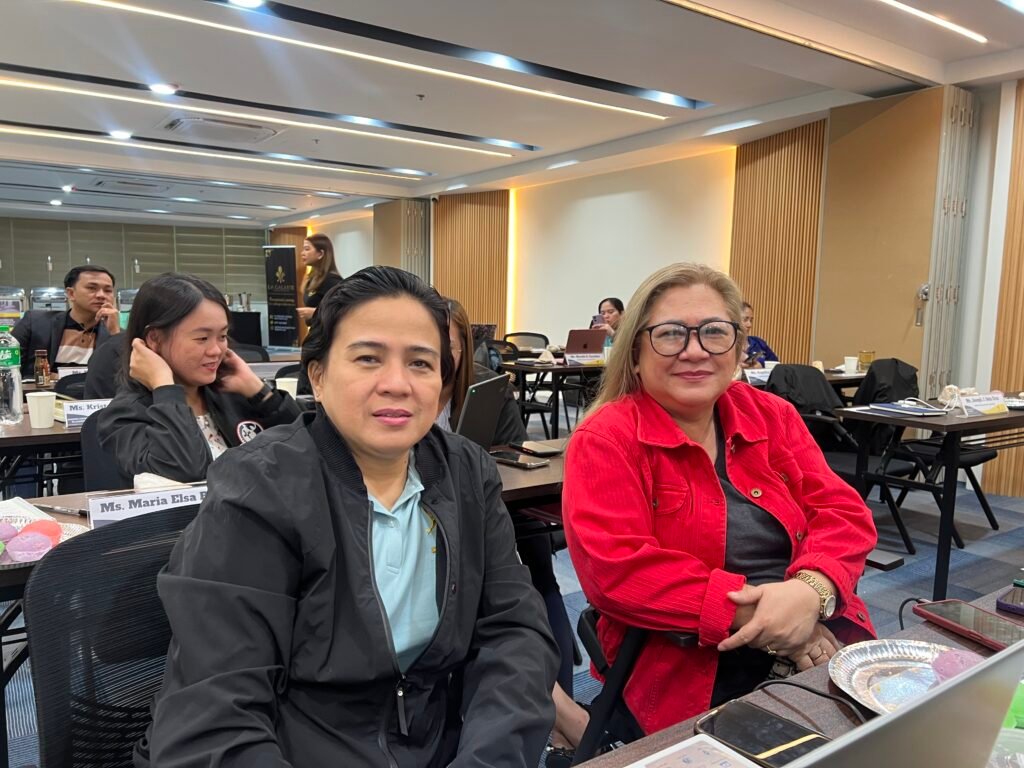
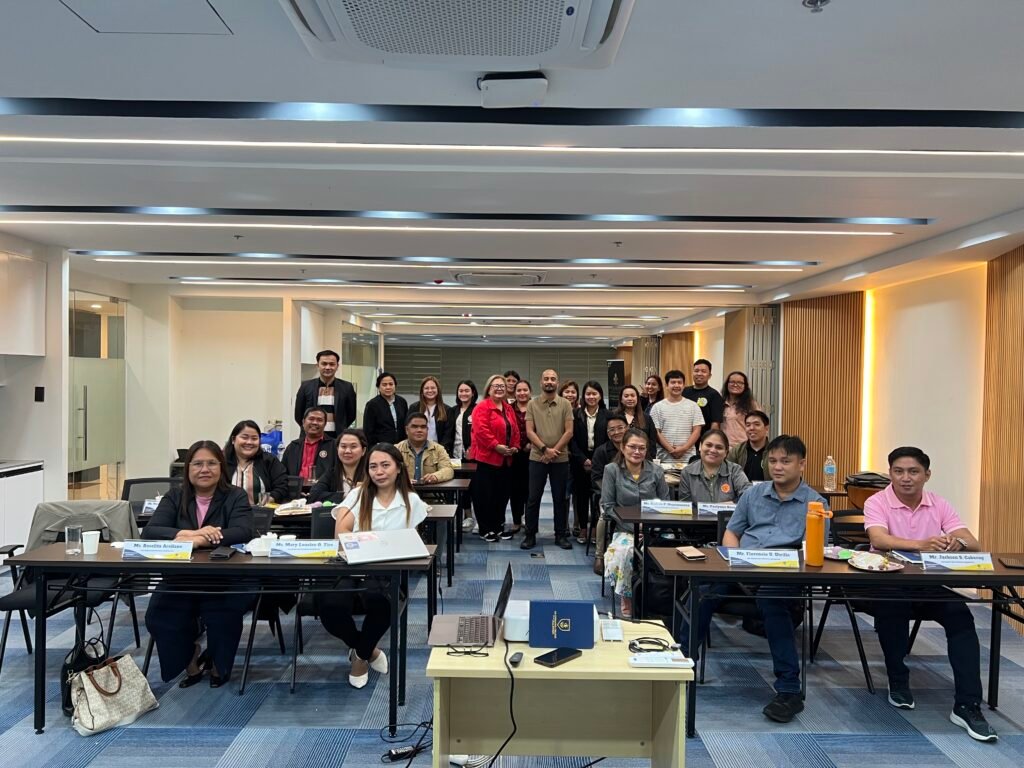
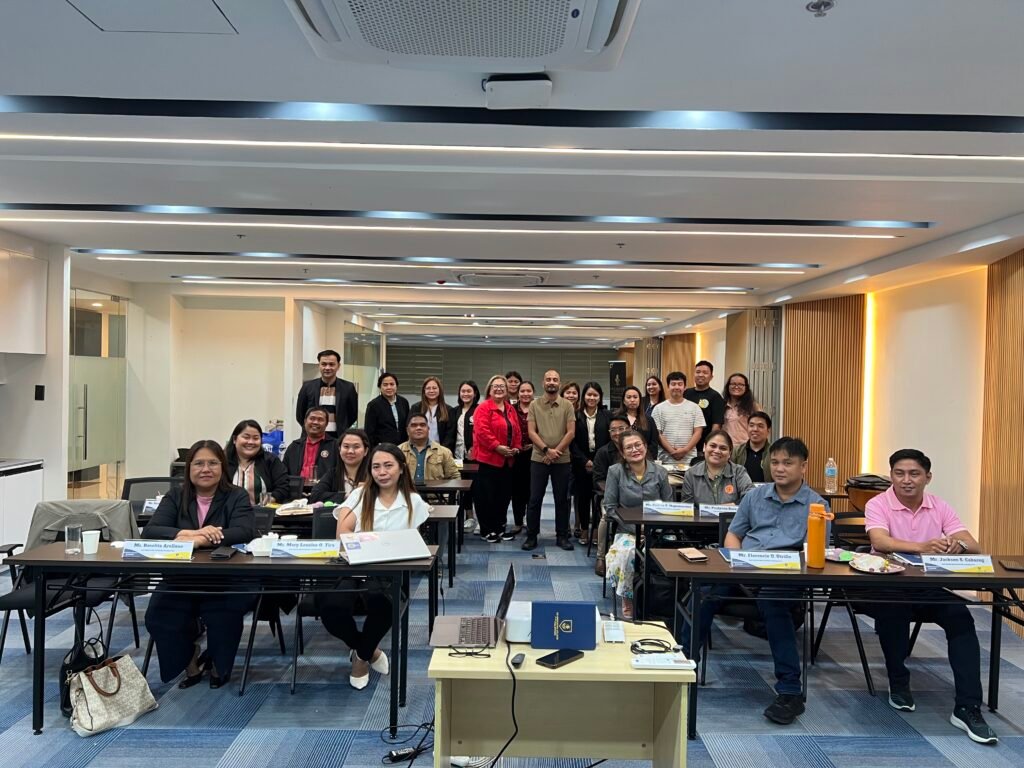
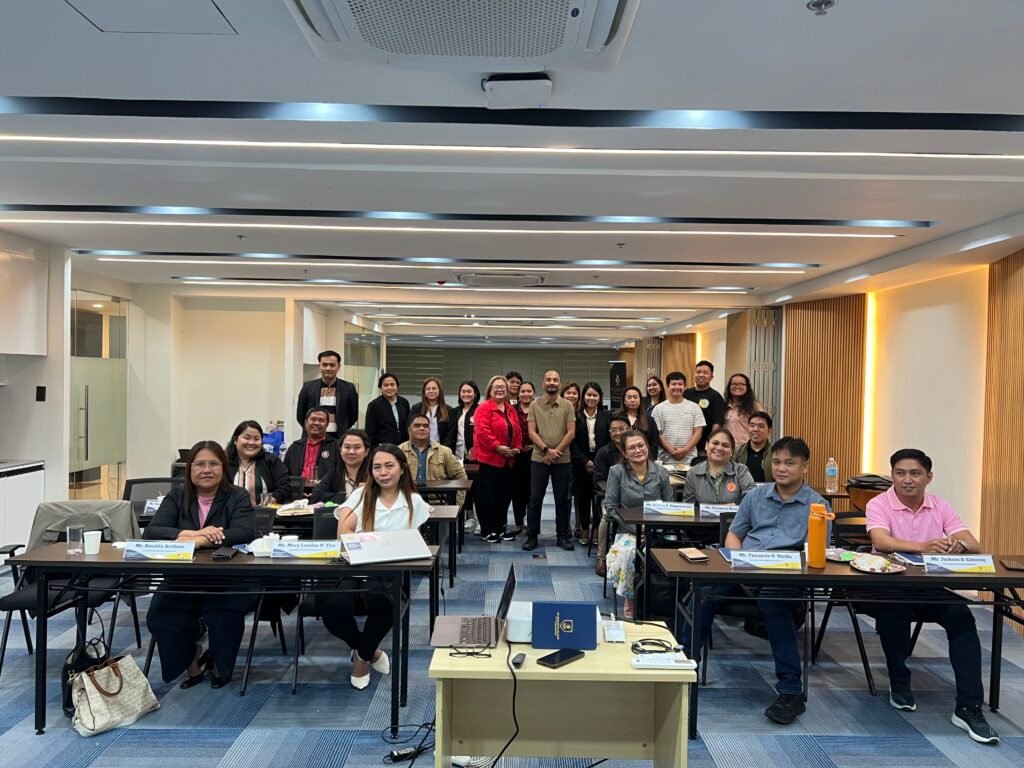
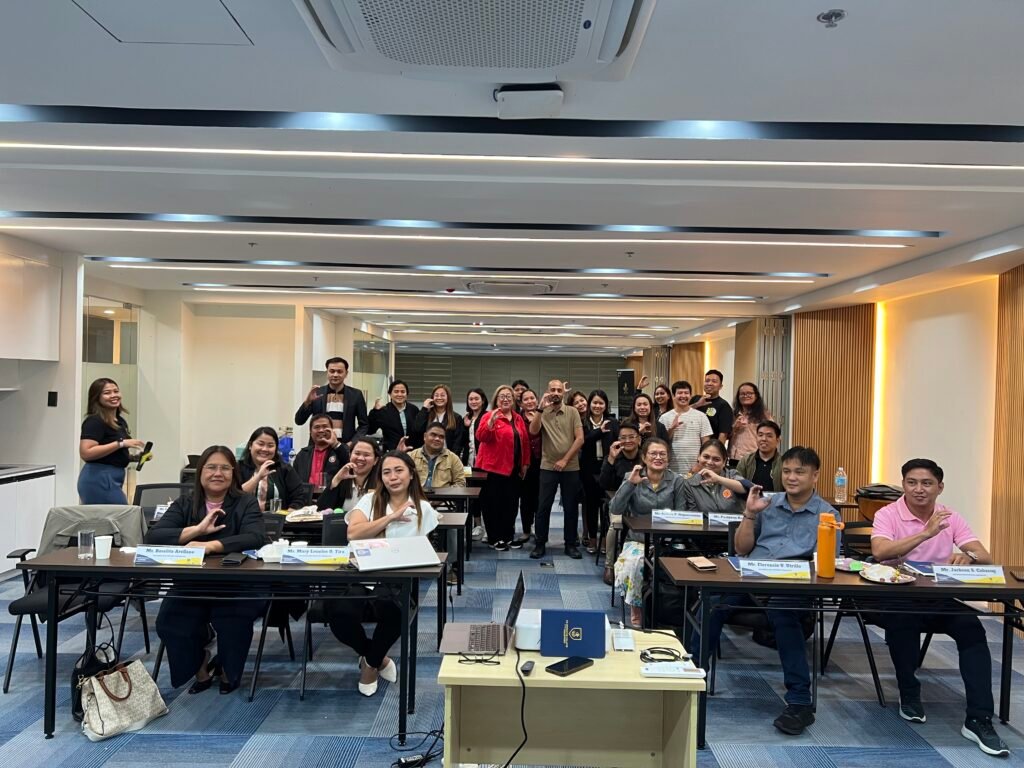
This year’s BCP training was held at the CLIMBS Branch Office in Quezon City, Philippines, from September 10–11, 2025. The program brought together 27 delegates from nine inspiring cooperatives, namely:
Basud Development Cooperative, Mother Rita MPC, San Dionisio Credit Cooperative, MSU-IIT National MPC, Sta. Cruz Savings and Development Cooperative, San Basilio MPC, Bukluran MPC, Baao Parish MPC, and CLIMBS Life and General Insurance Cooperative.
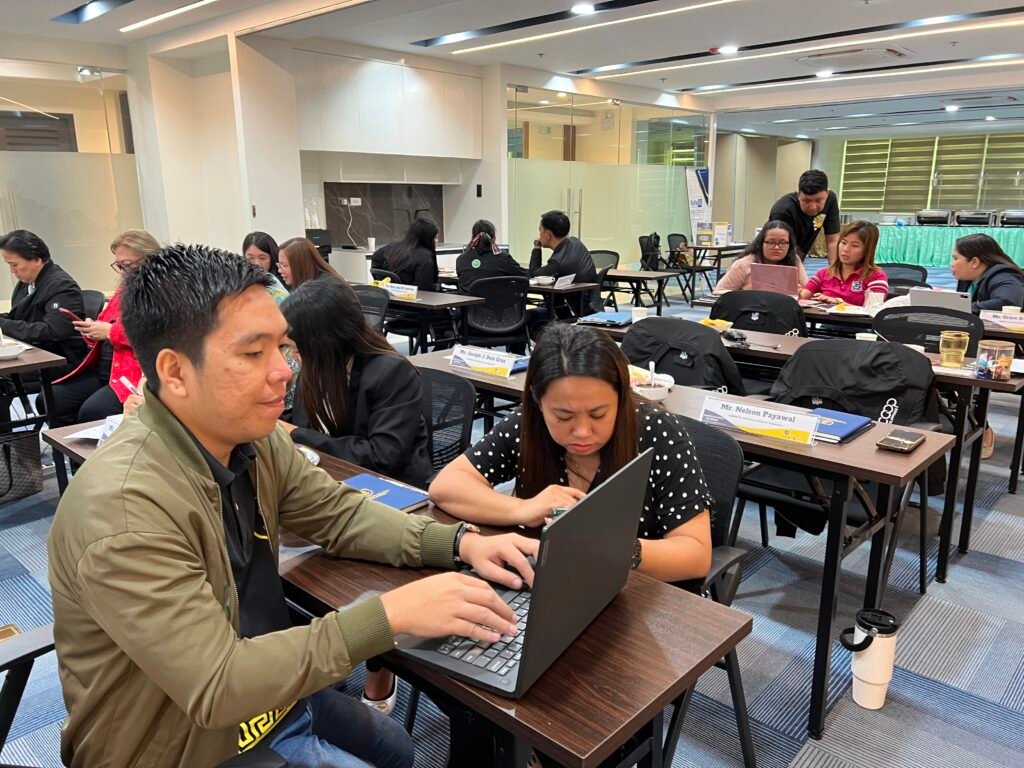
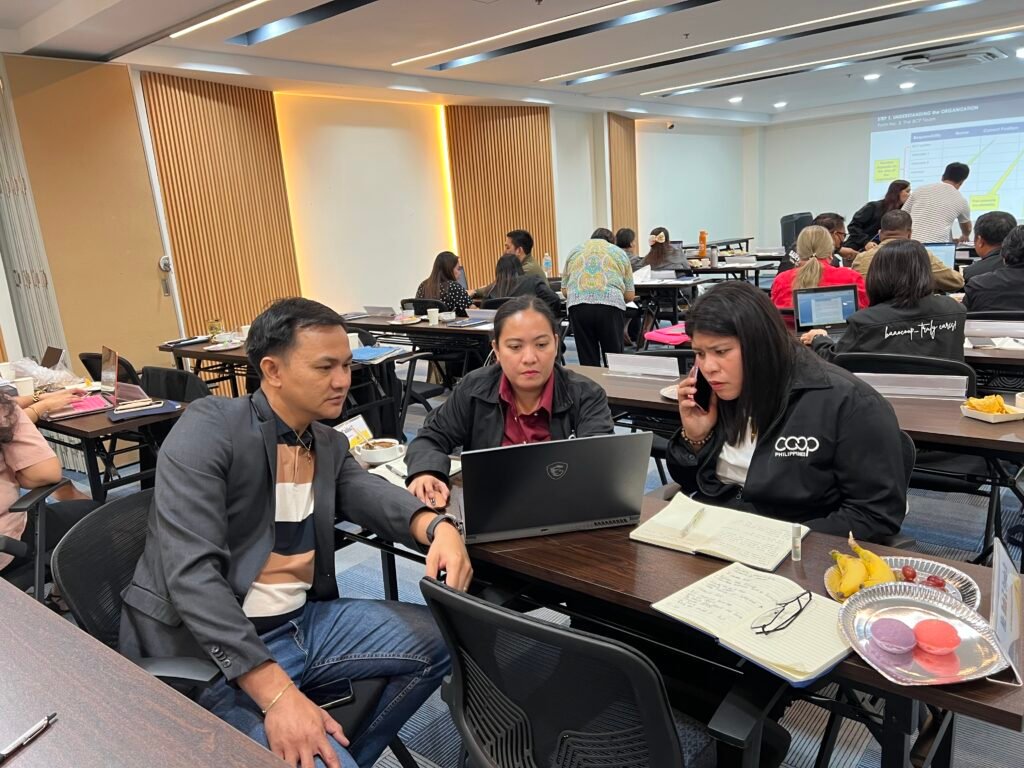
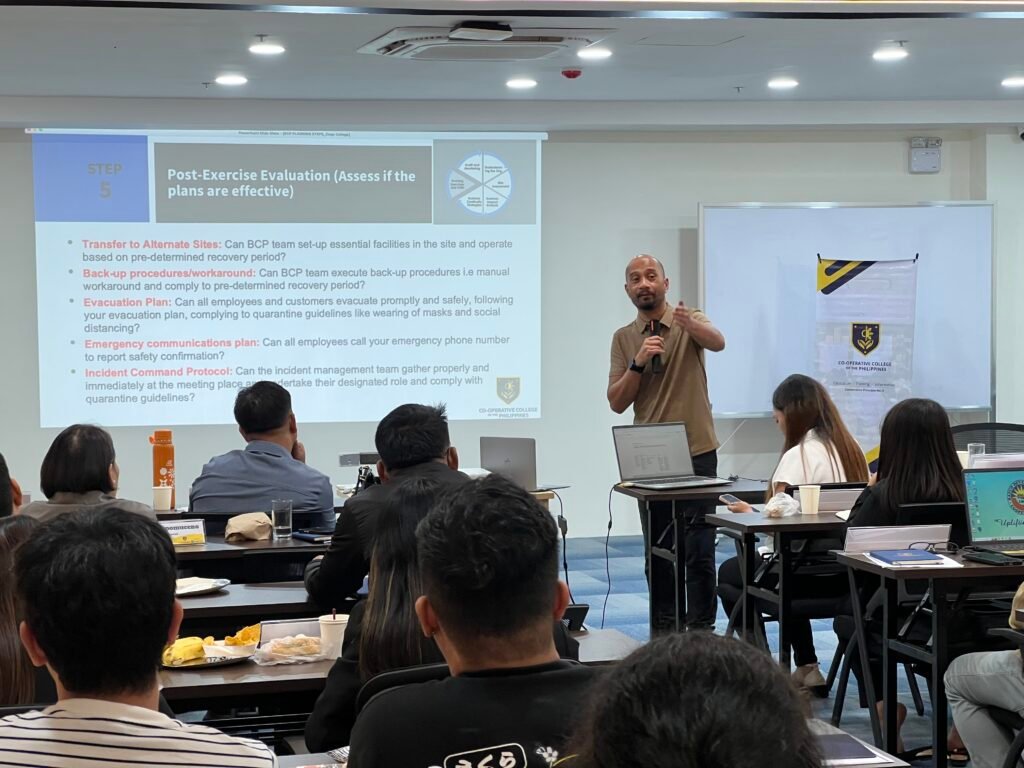
Over the two-day program, participants engaged in insightful discussions and hands-on workshops covering:
Understanding Business Continuity Planning: Foundations, its importance for cooperatives, and key frameworks.
Action Planning and Practical BCP Development: Tools, templates, and collaborative workshop activities.
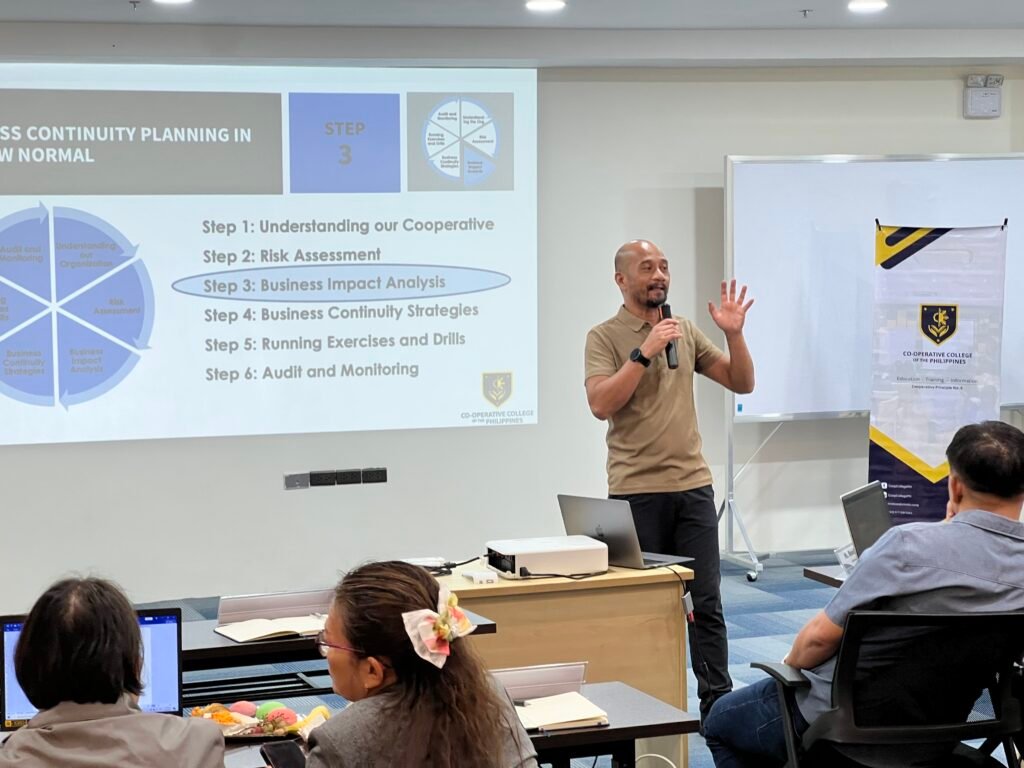
The sessions were facilitated by the Institute of Cooperatives and Bio-Enterprise Development and led by Mark Cervantes, ABCP, TPMA, an Associate Business Continuity Professional.
Through this training, our cooperators left empowered, better prepared, and more resilient—ready to face challenges and lead their communities toward a stronger future.