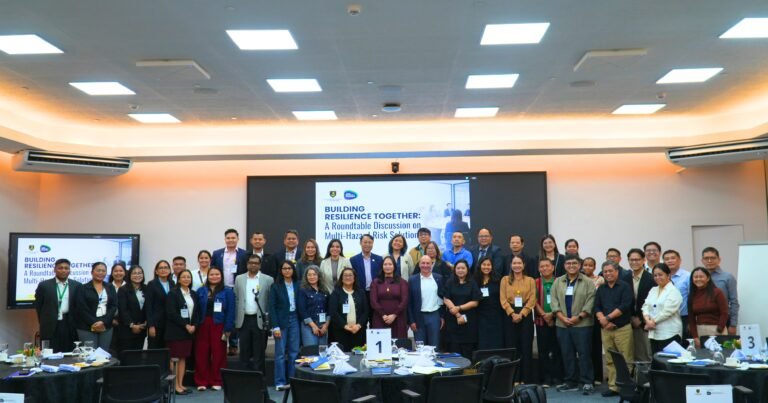
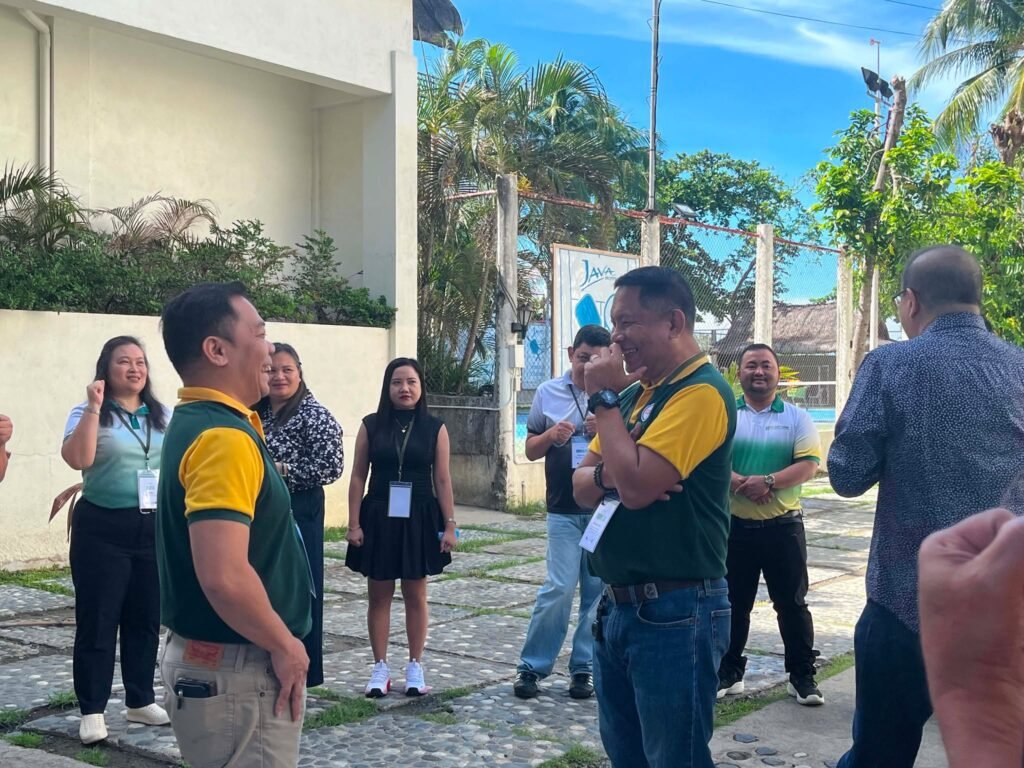
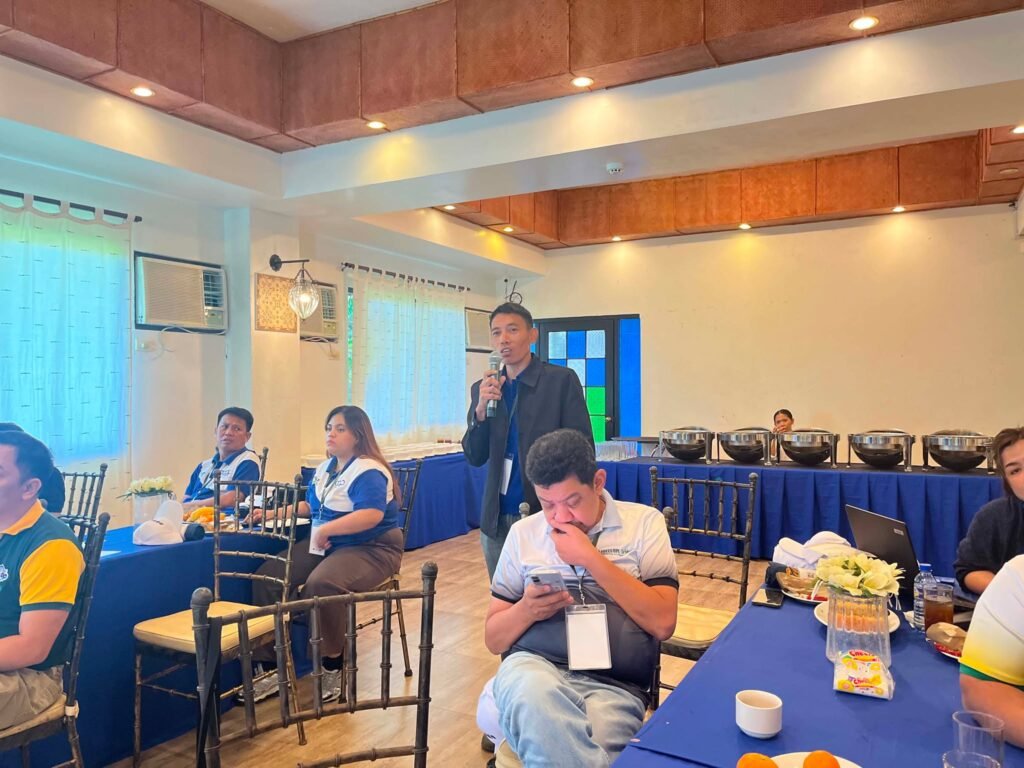
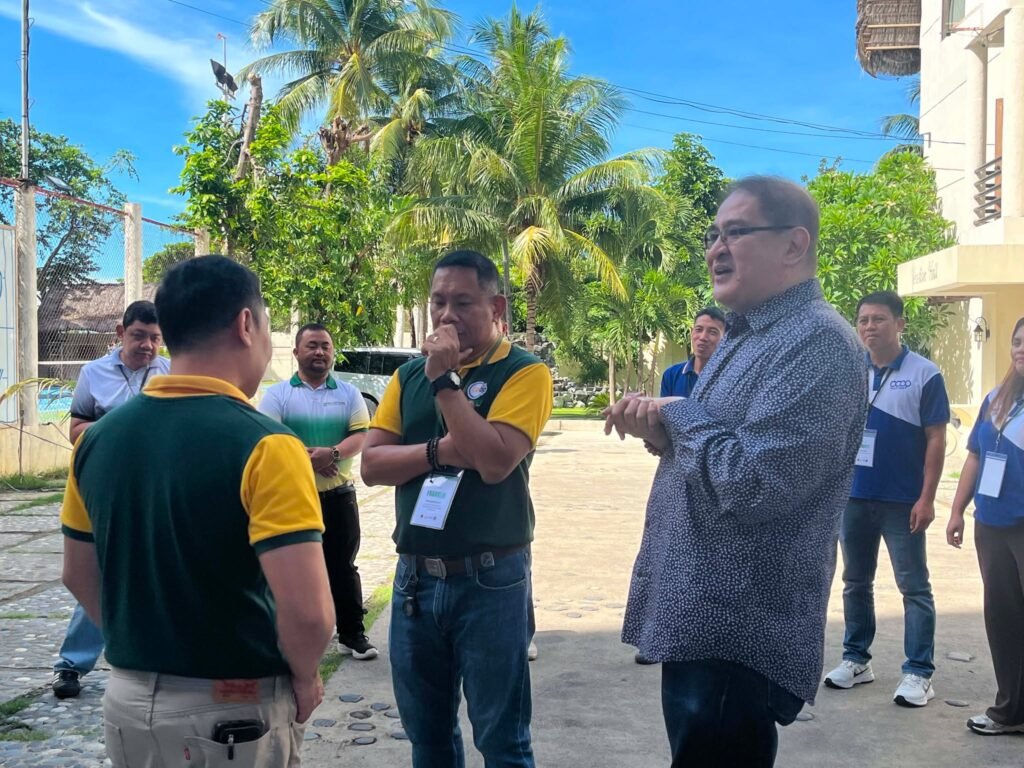
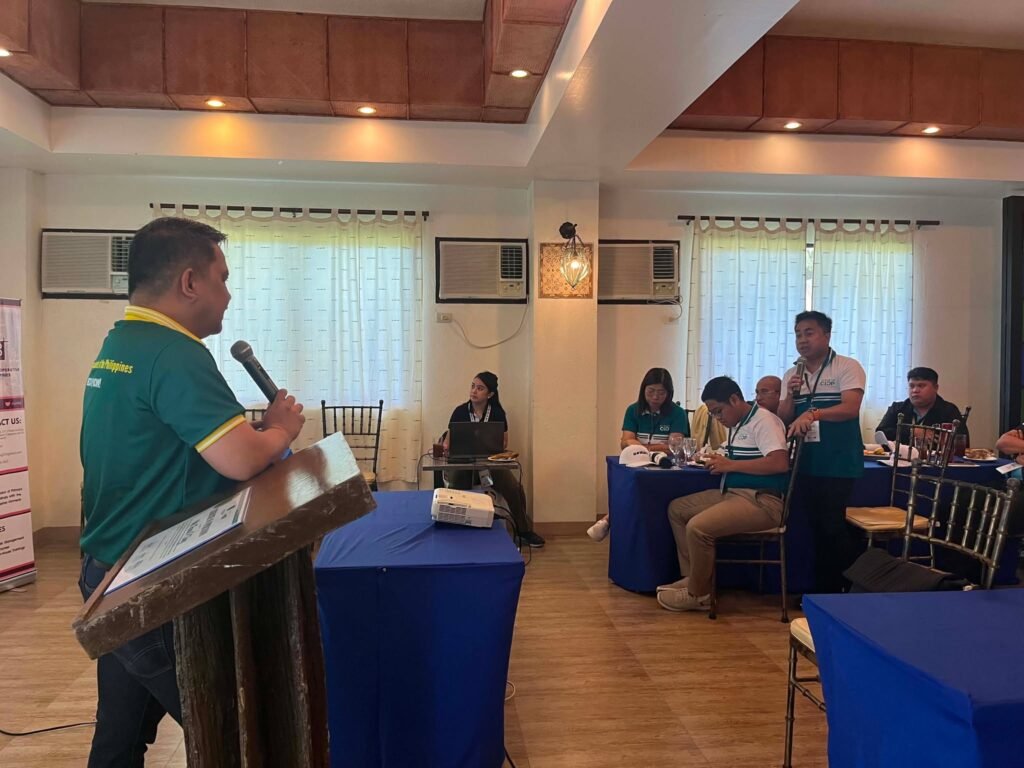
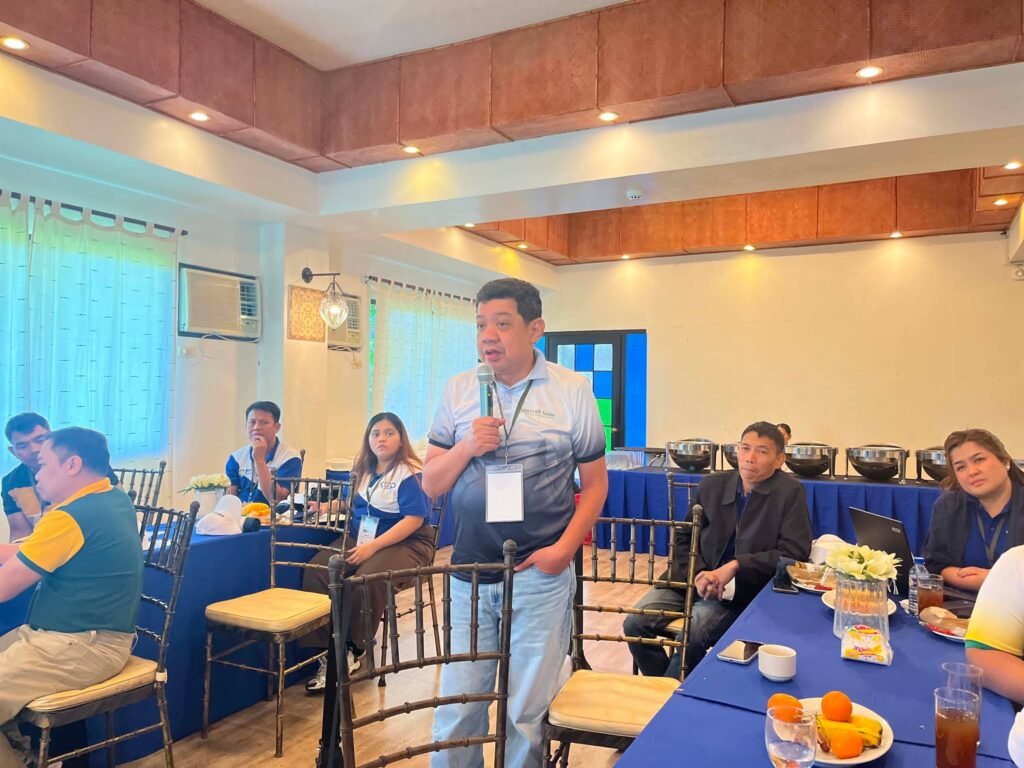
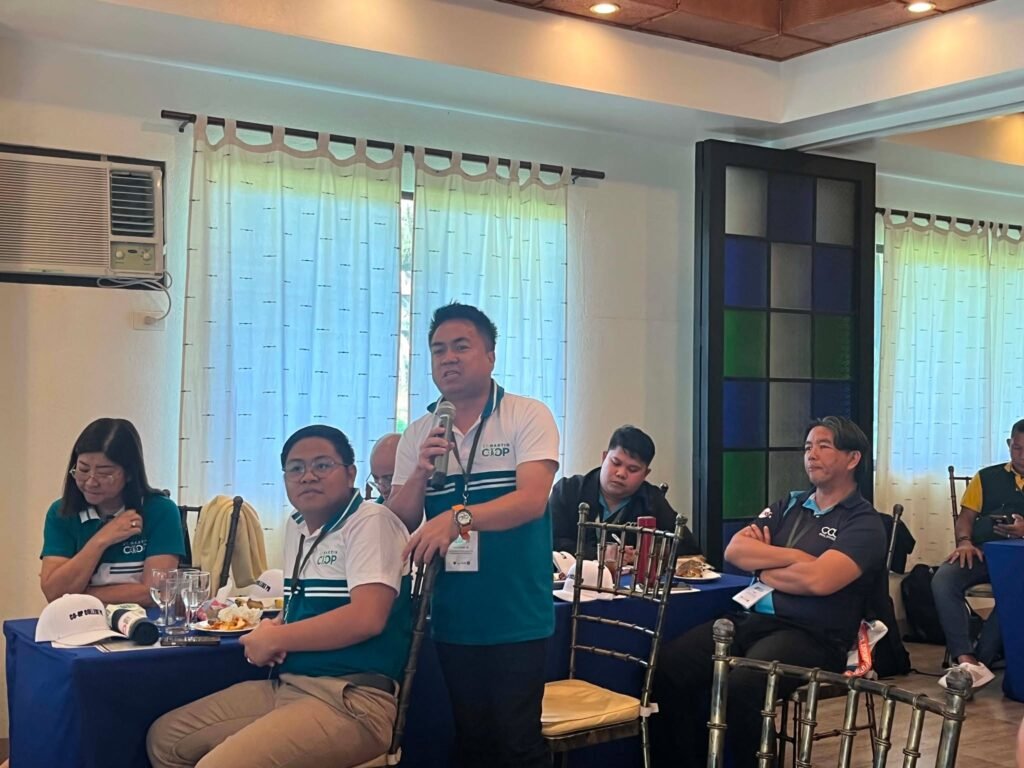
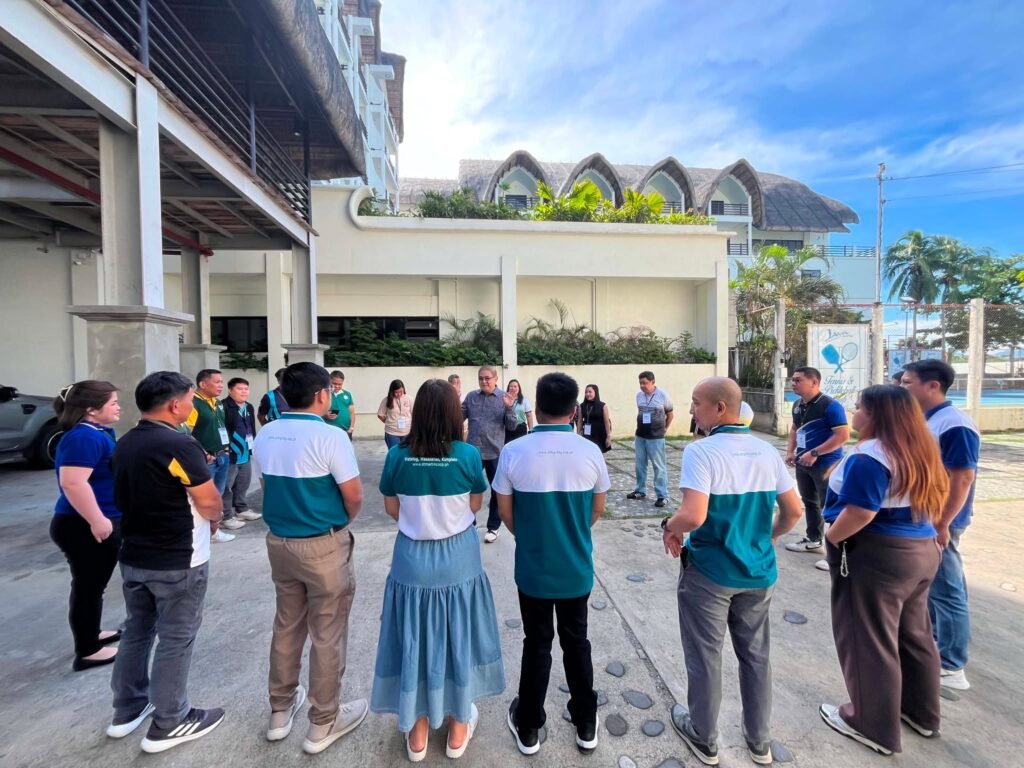
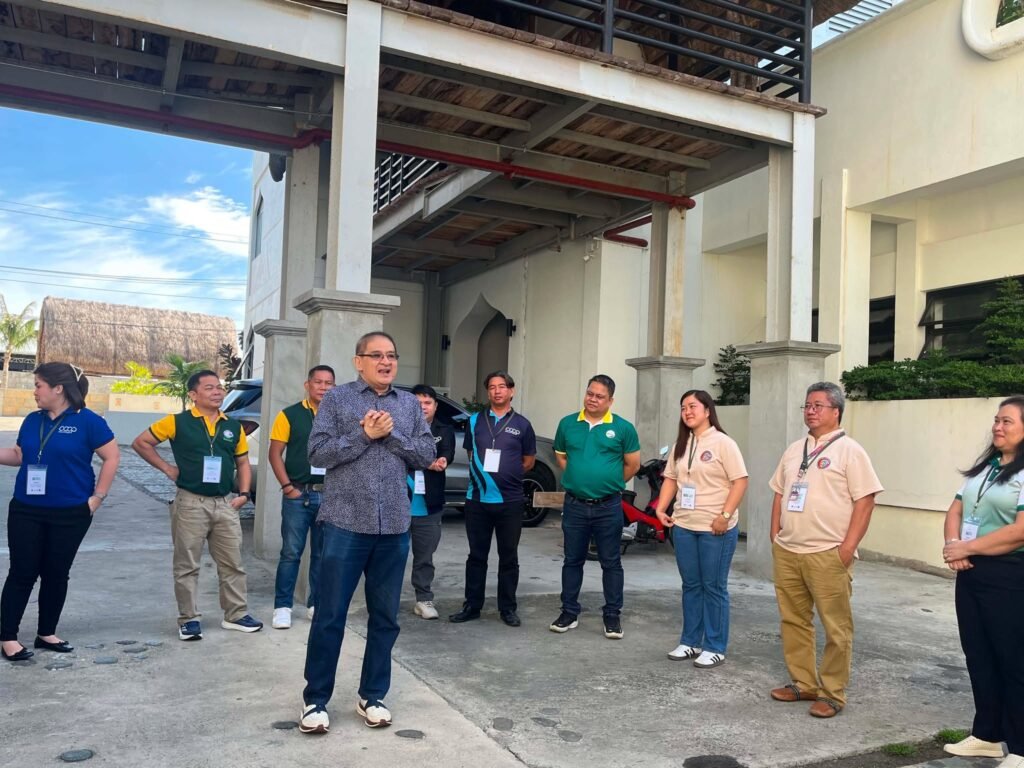
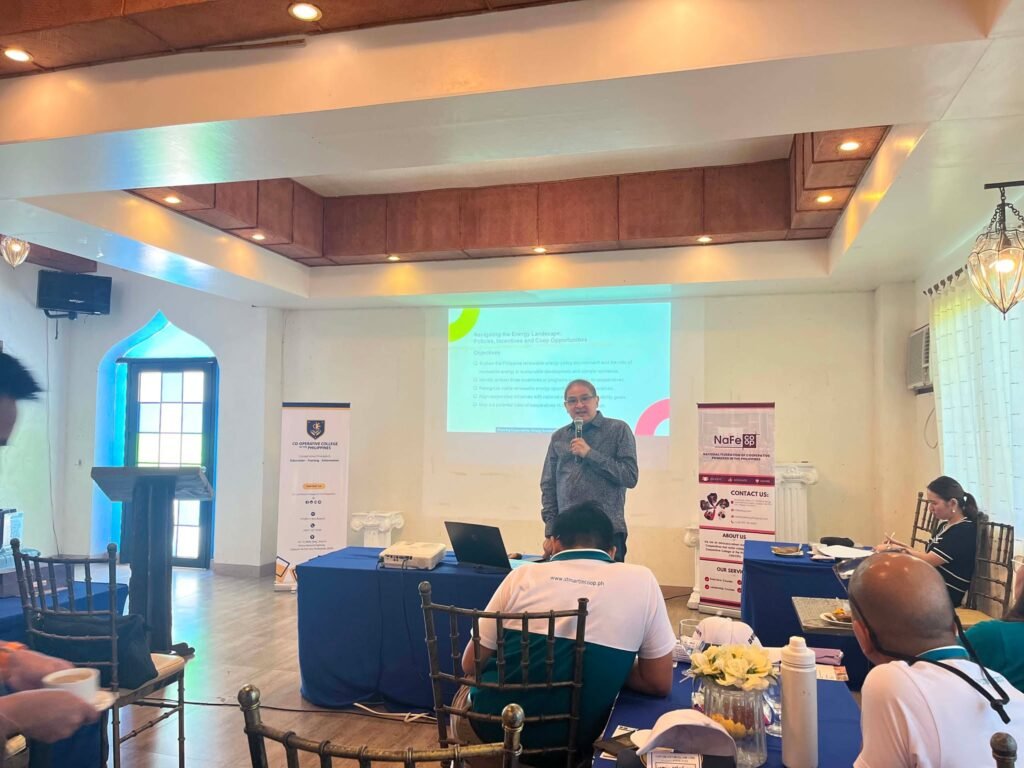
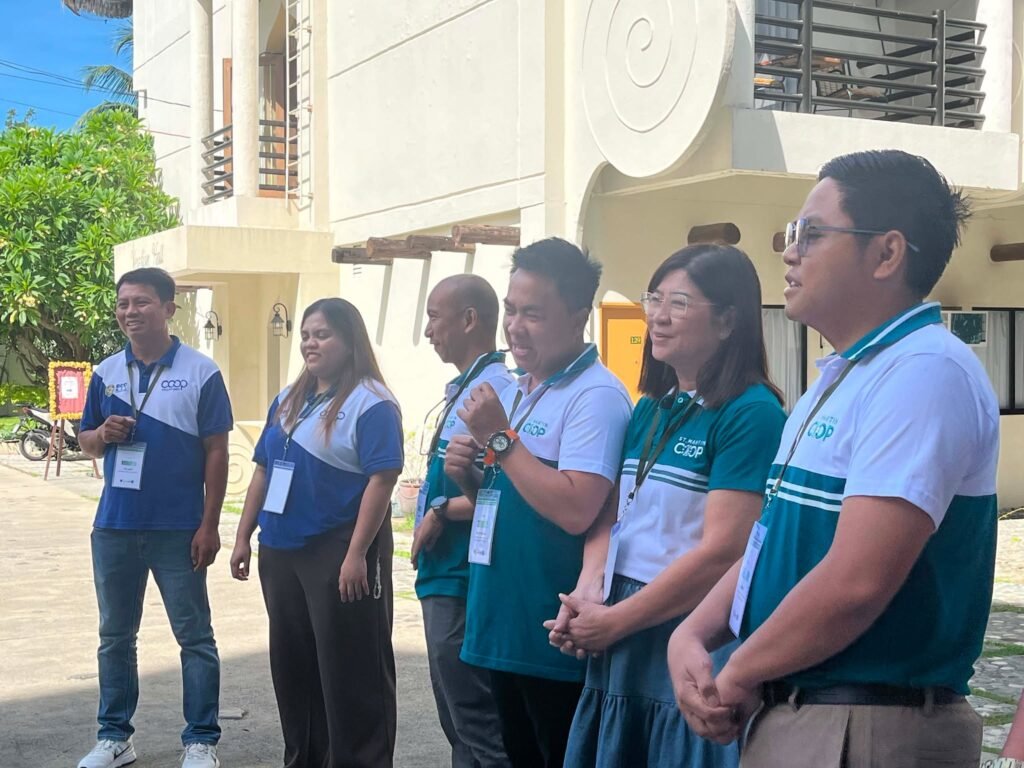
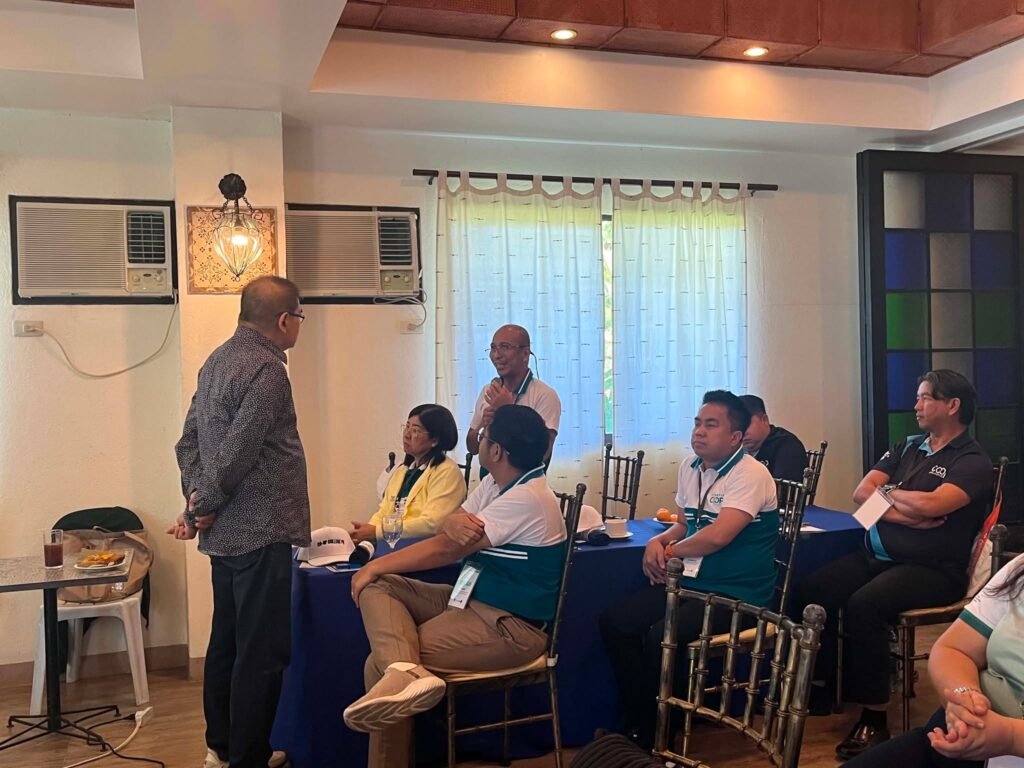
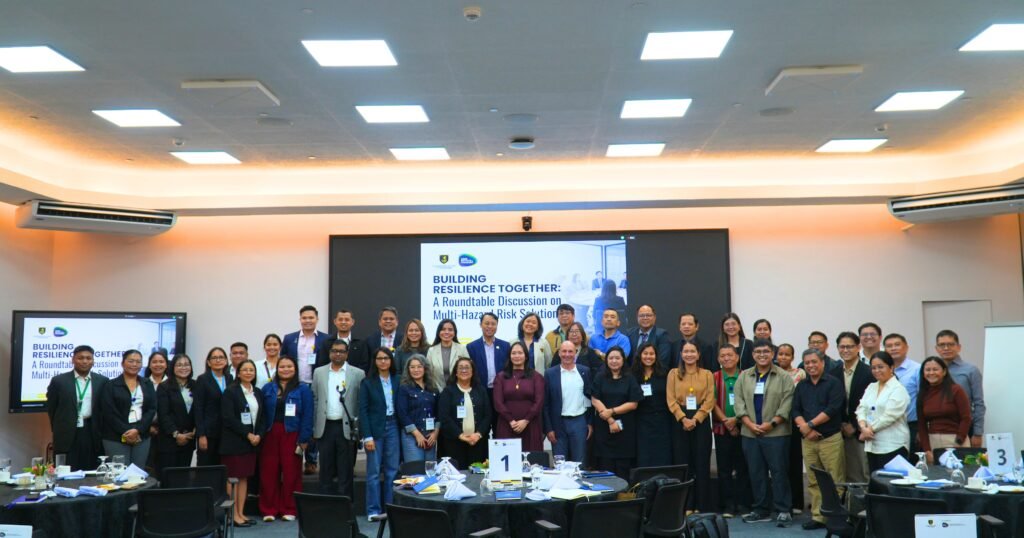
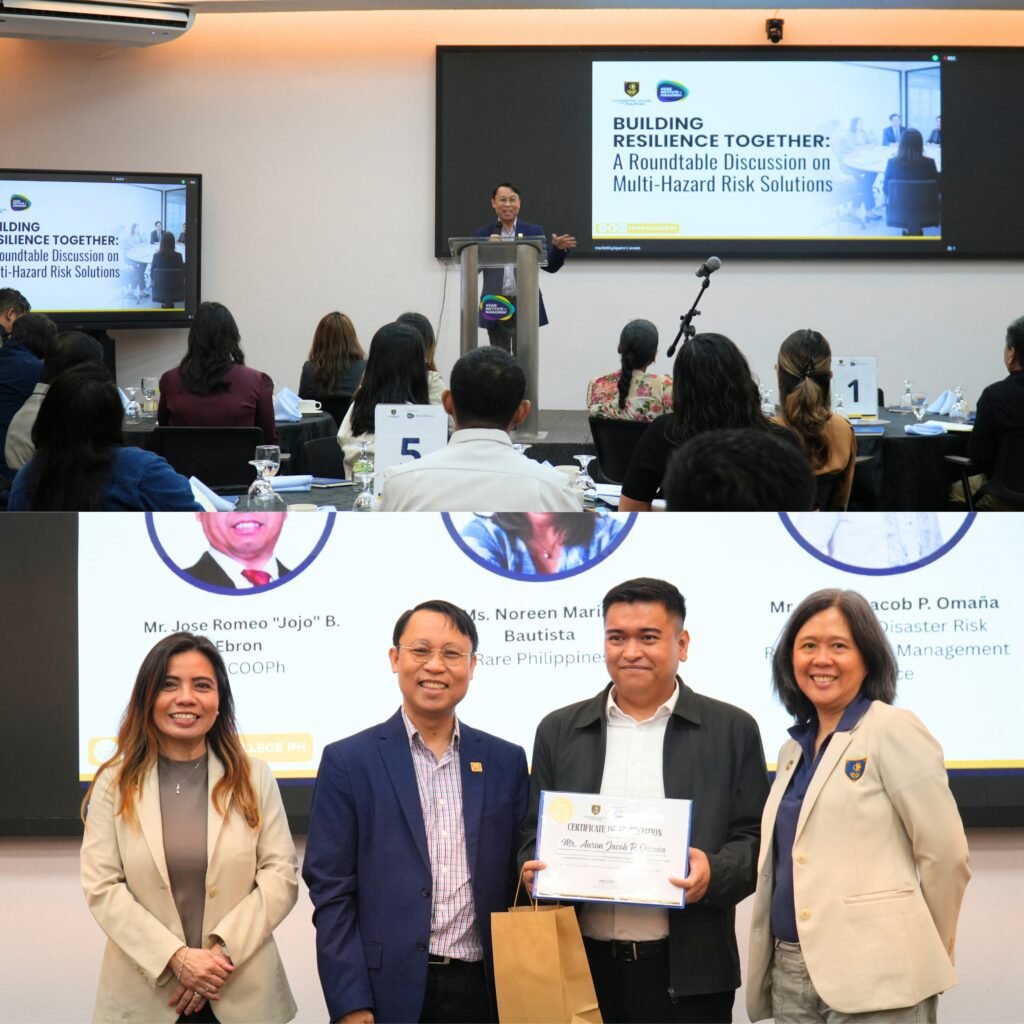
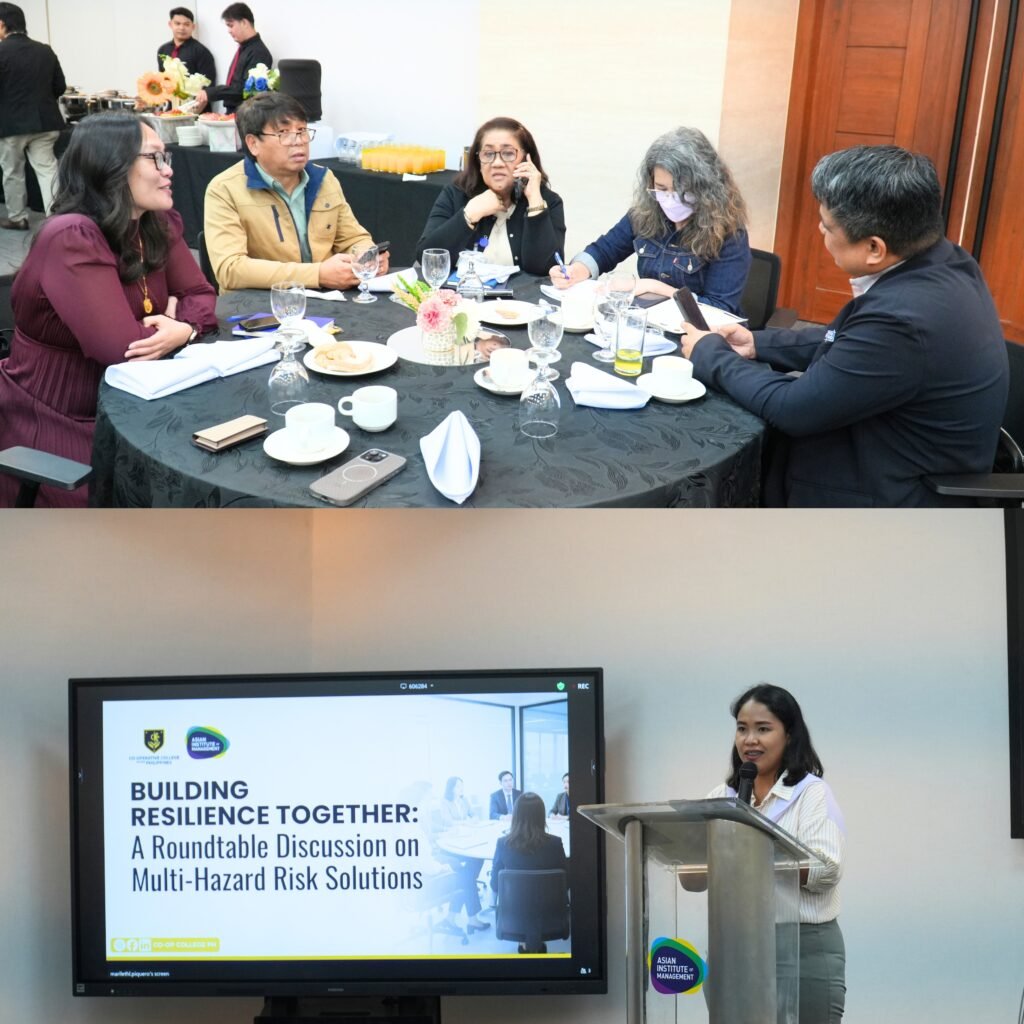
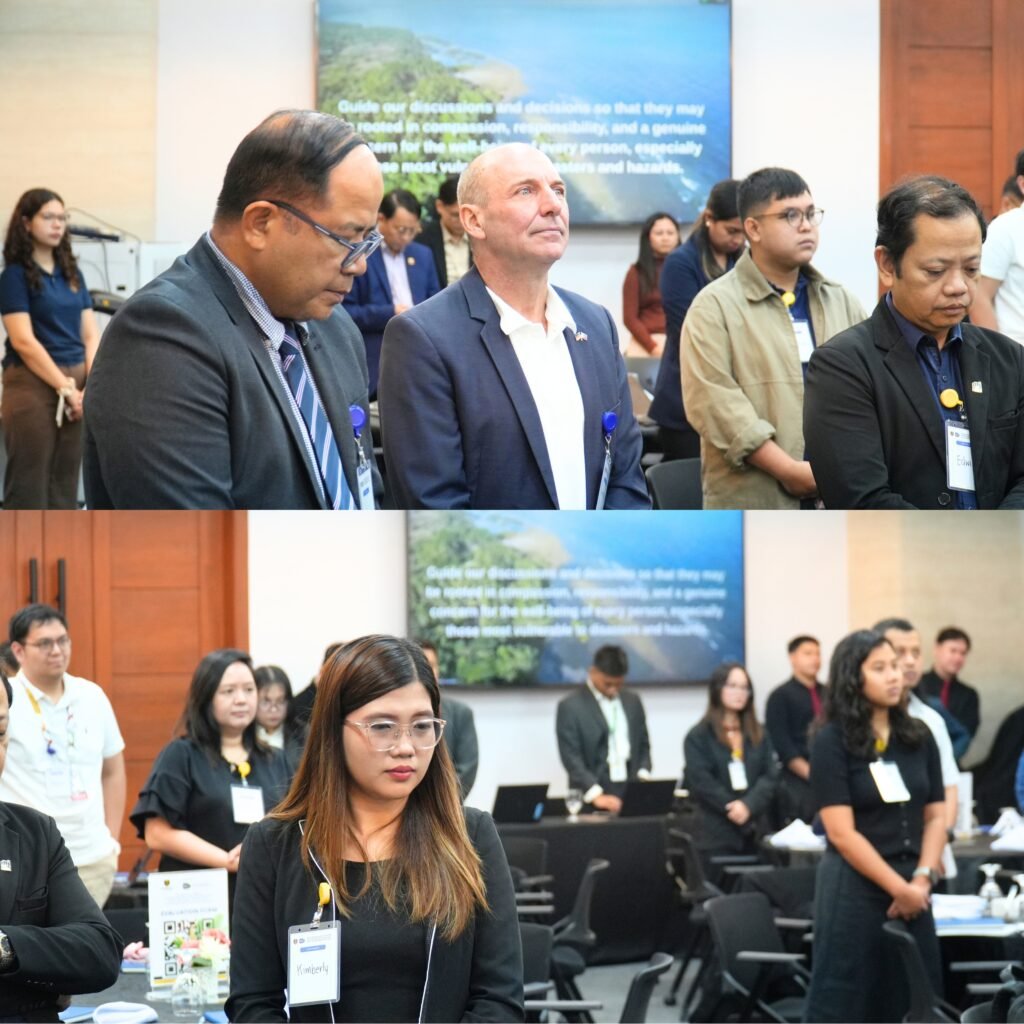
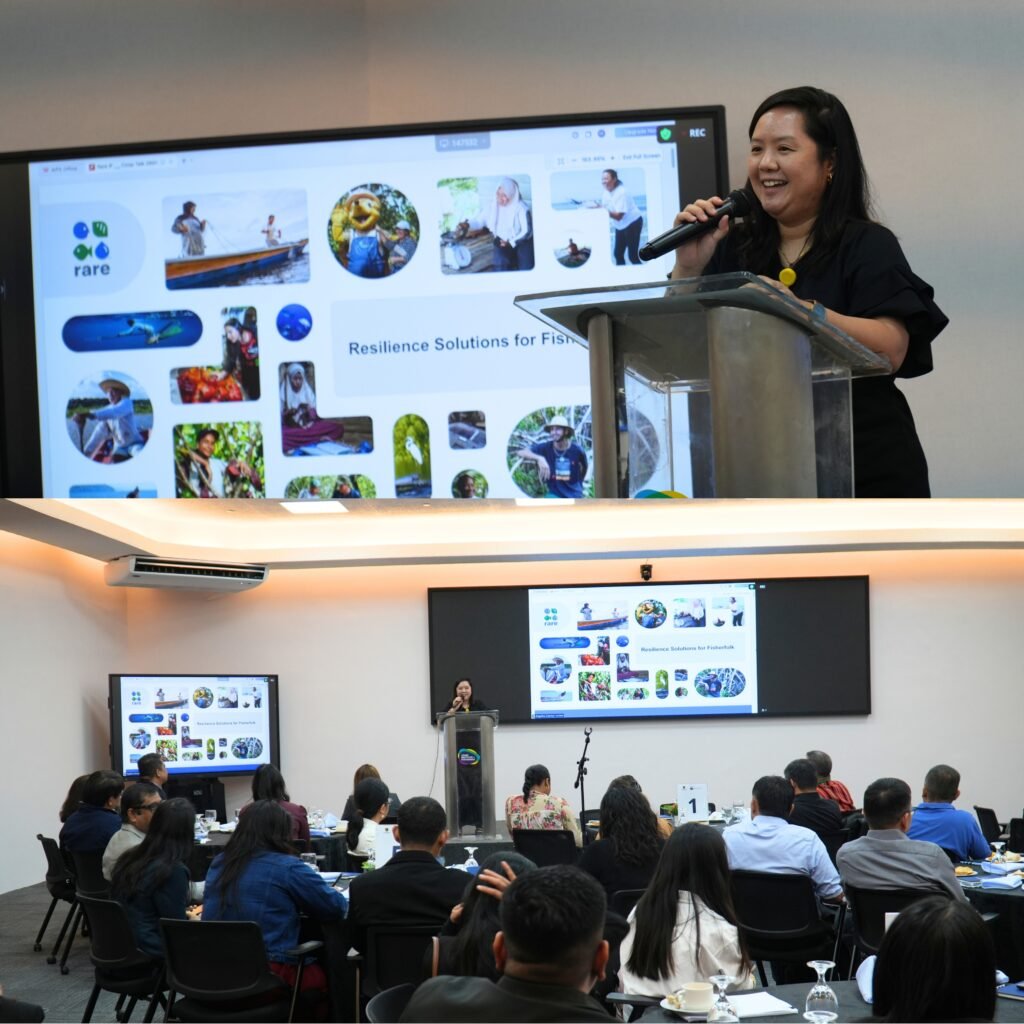
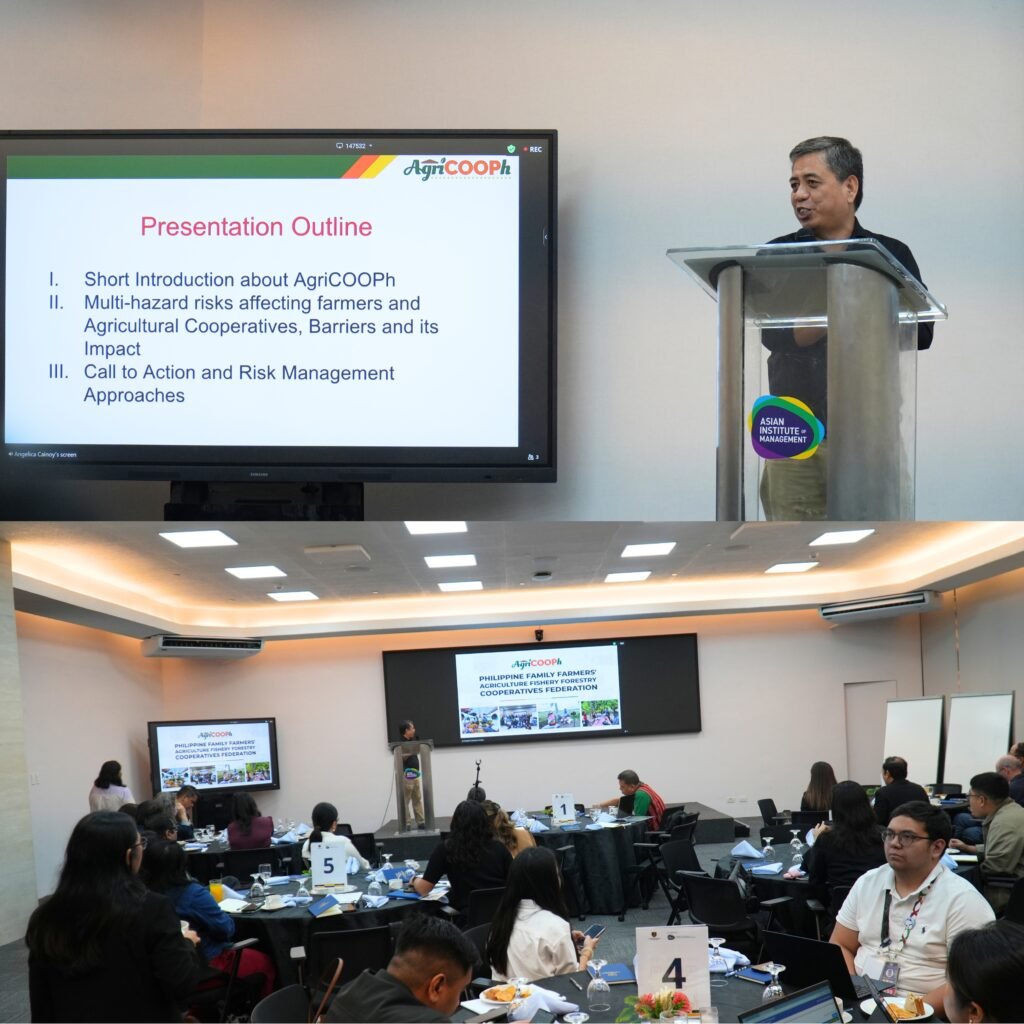
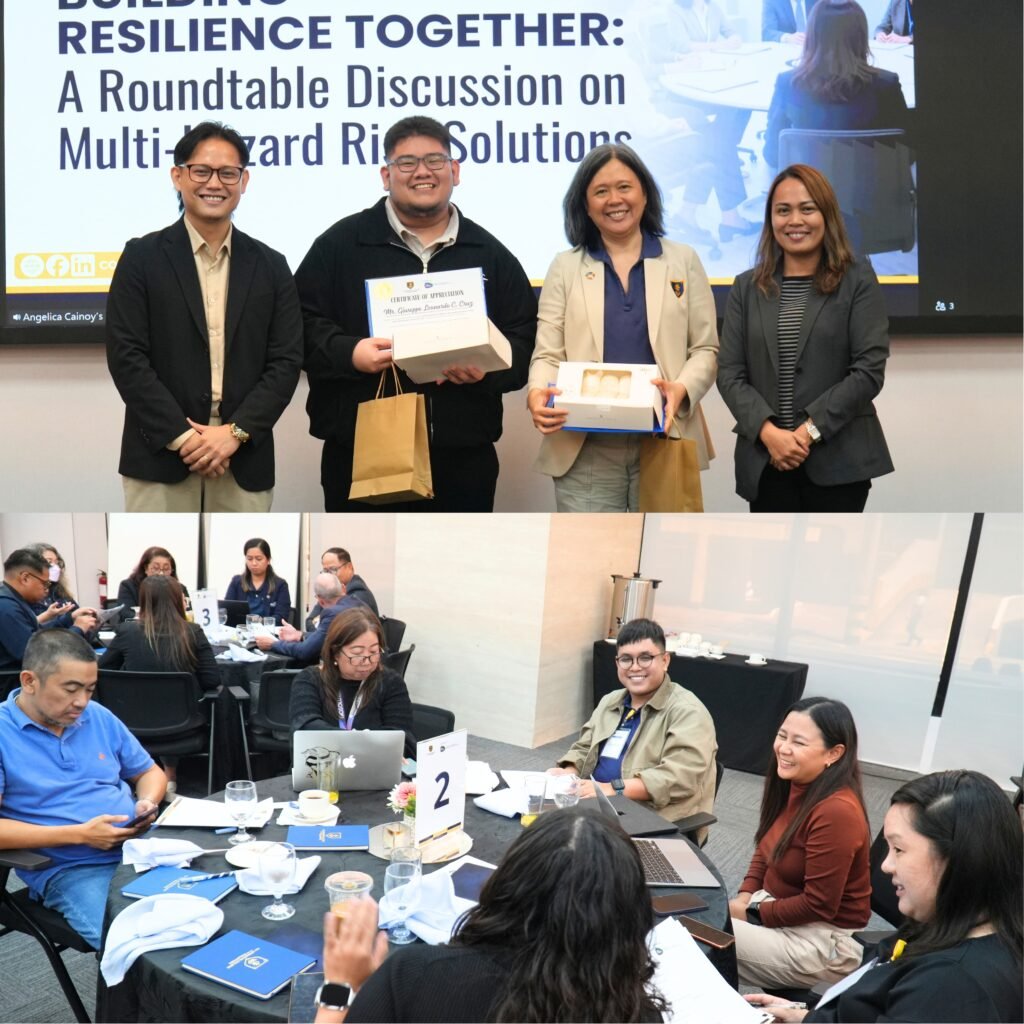
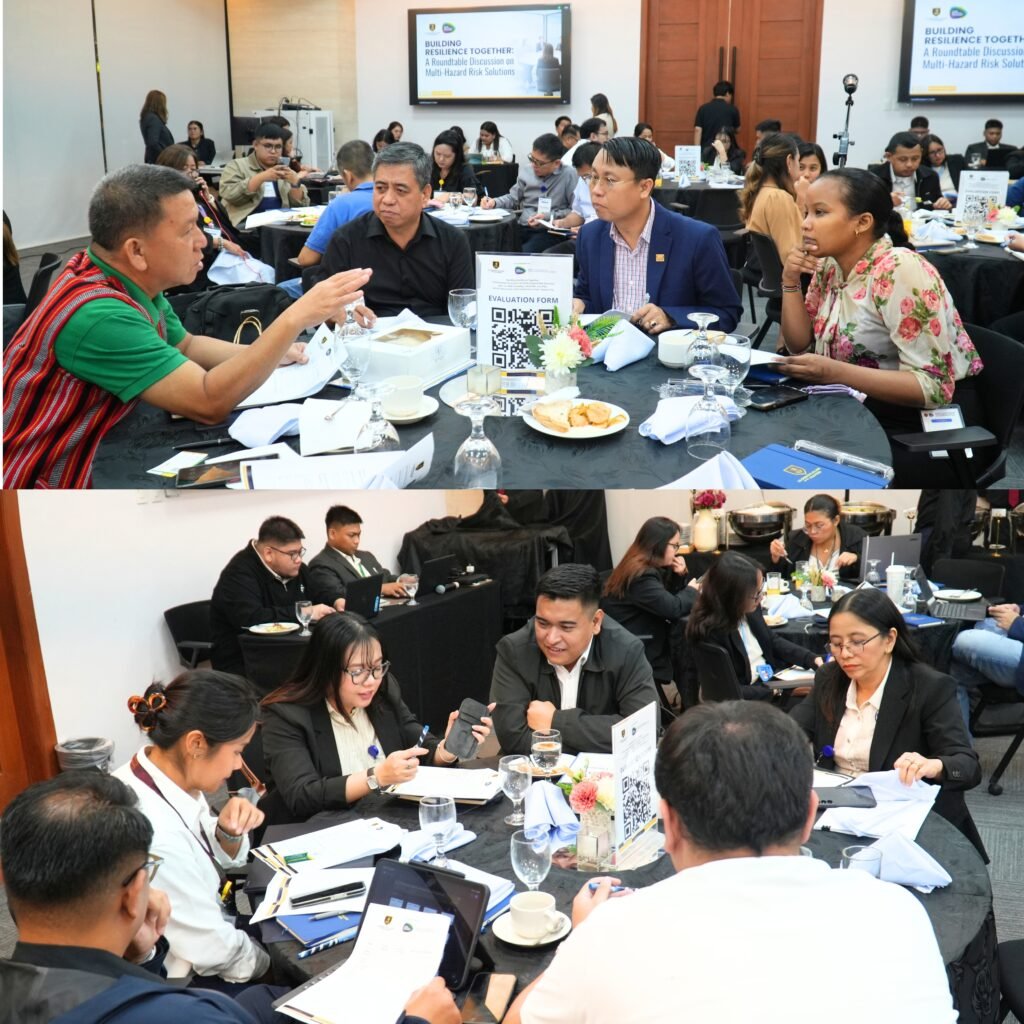
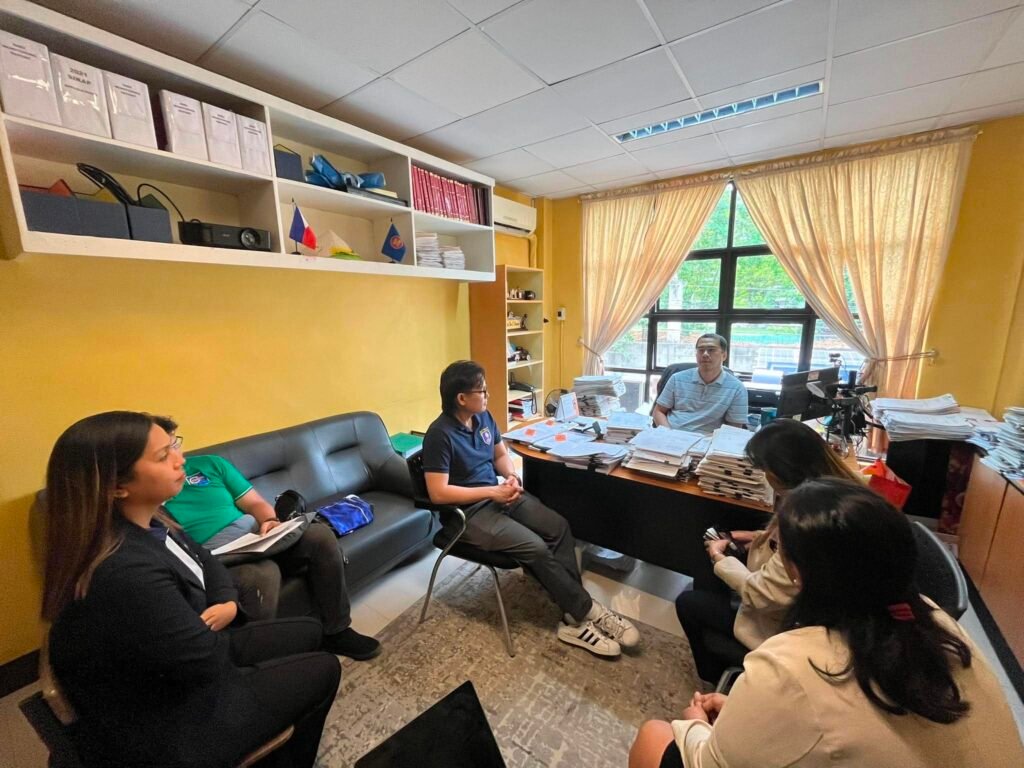
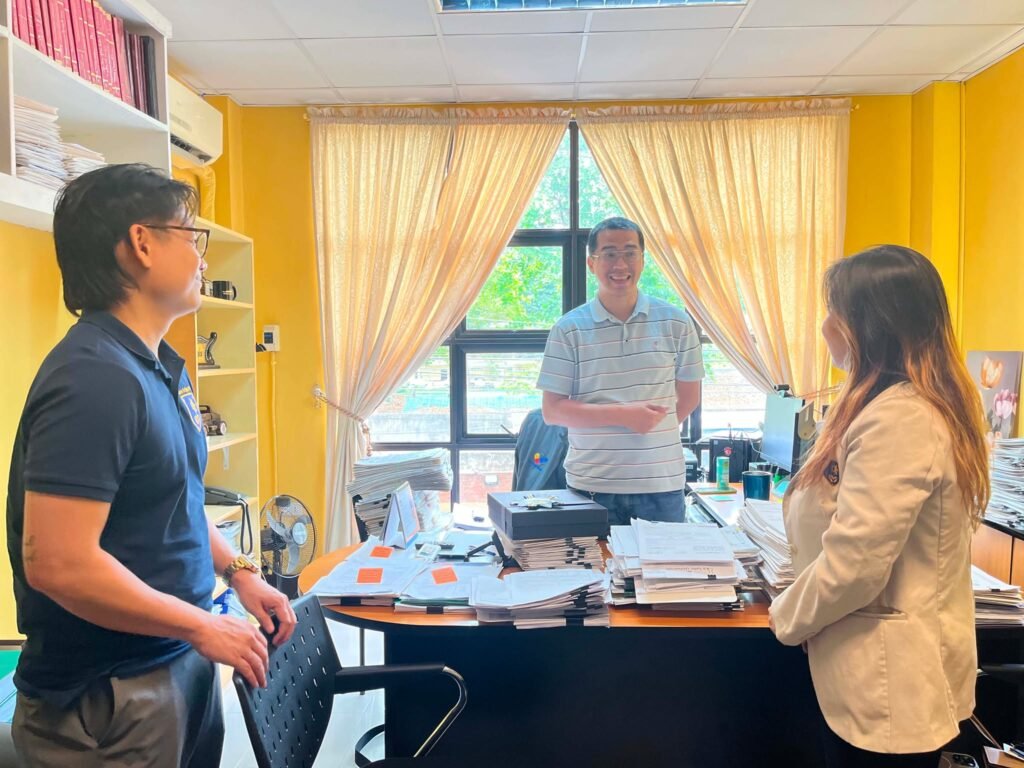
MAKATI CITY — Representatives from government agencies, development partners, cooperatives, civil society organizations, the private sector, and academia gathered on June 16, 2026, at the Asian Institute of Management (AIM) Conference Center for “Building Resilience Together: A Roundtable Discussion on Multi-Hazard Risk Solutions.”
The roundtable discussion was held against the backdrop of mounting climate and disaster-related risks in the Philippines. The International Monetary Fund’s 2025 Article IV Consultation has flagged that climate-related disasters continue to impose recurring macroeconomic losses on the country, with agriculture, inflation, and vulnerable sectors among those most affected. Despite growing exposure to interconnected hazards, many Filipino communities remain underinsured and underserved by existing protection mechanisms.
In response to these challenges, the country has seen rising interest in innovative risk financing approaches such as parametric insurance, which allows for faster and more predictable payouts triggered by predefined parameters like rainfall intensity, wind speed, or the occurrence of a disaster. The World Food Programme’s 2026 landscape overview on Climate and Disaster Risk Financing and Insurance (CDRFI) underscored the need for stronger collaboration and more inclusive financing approaches to support climate-vulnerable communities — a gap this roundtable discussion sought to help close.
Bringing Stakeholders to the Table
The roundtable discussion adopted a participatory, dialogue-driven format, encouraging open exchange among insurance providers, development actors, and representatives of affected sectors — groups that have historically had limited venues for direct dialogue on the kinds of protection and resilience solutions needed on the ground.
Discussions centered on three key objectives:
1. Convening development partners, government agencies, cooperatives, civil society organizations, private sector institutions, academia, and vulnerable sectors to discuss evolving multi-hazard risks affecting Philippine communities and institutions;
2. Gathering sectoral insights to support the development of tailored-fit, people-centered risk solutions responsive to the specific needs of different sectors and communities; and
3. Strengthening collaboration and partnership opportunities among stakeholders working on resilience, disaster risk reduction, climate adaptation, financial inclusion, and sustainable development.
A Wide Coalition of Partners
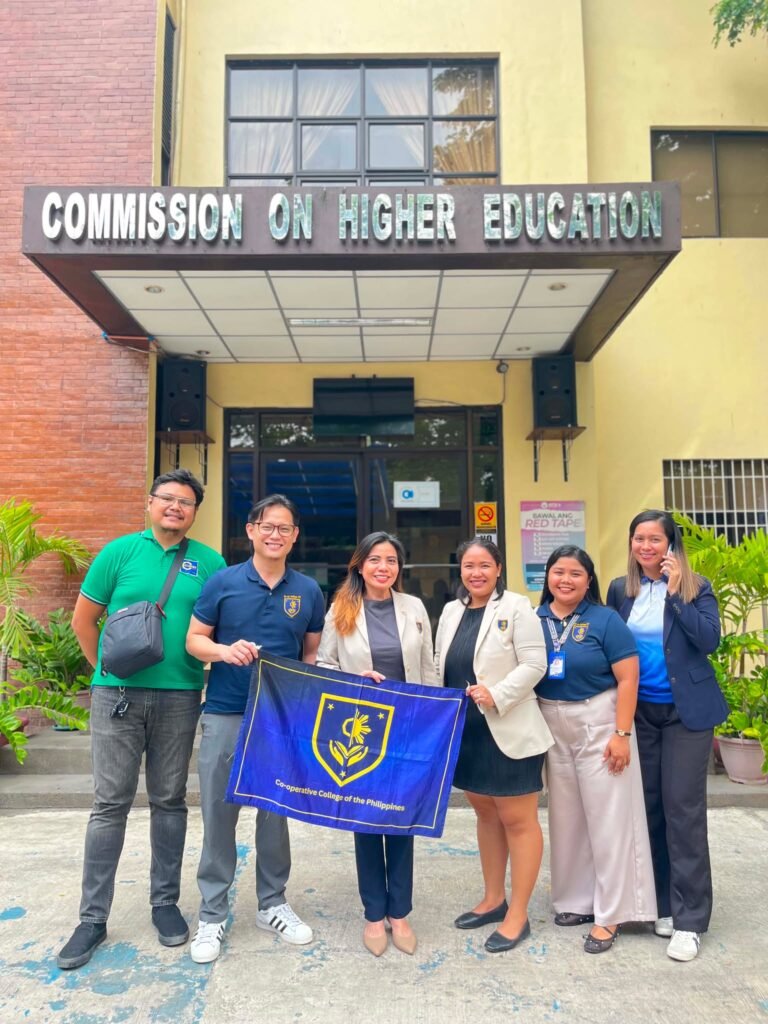
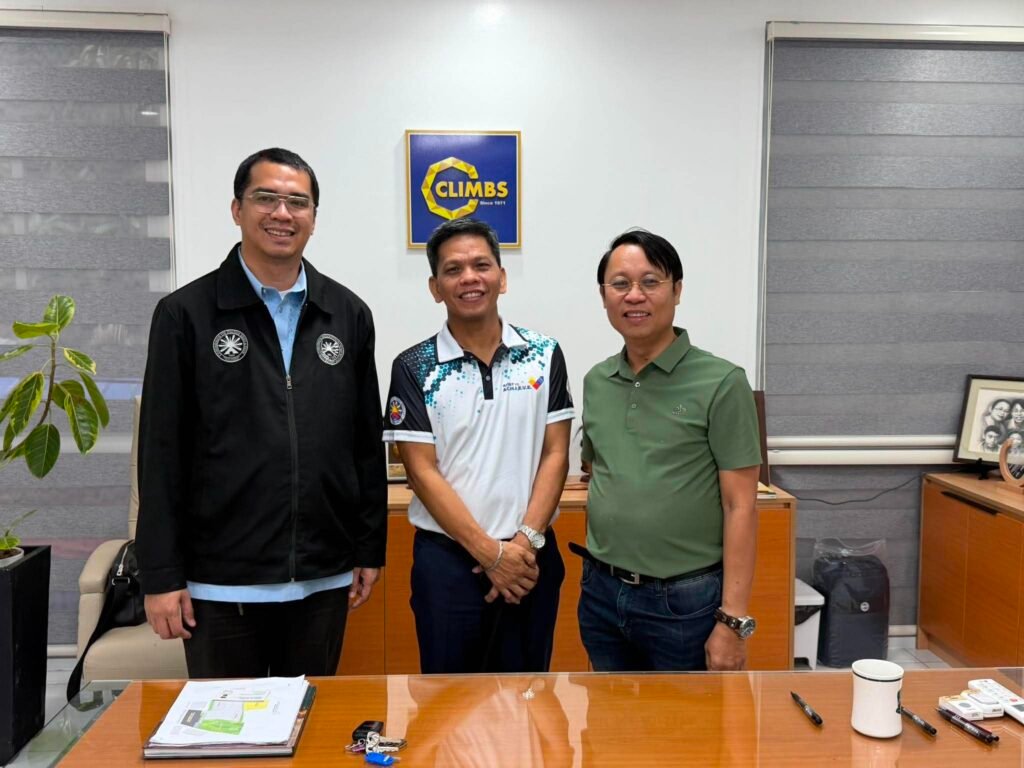
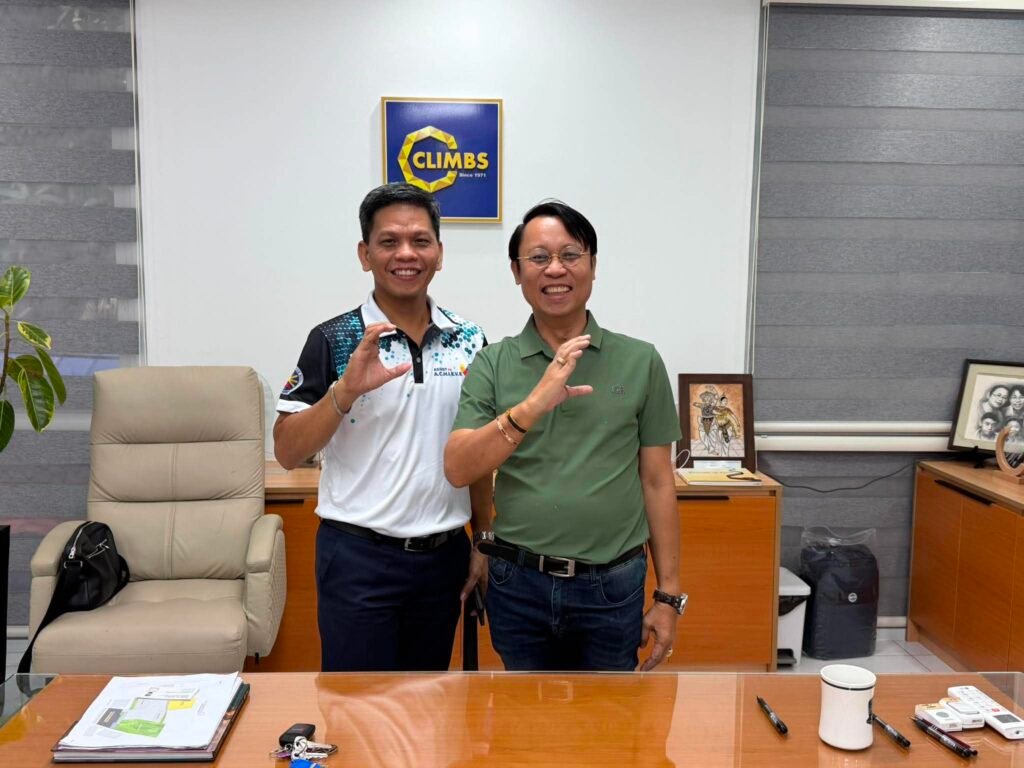
The roundtable discussion was organized by the Co-operative College of the Philippines, together with CLIMBS’ Admin and Corporate Planning team and the National Federation of Cooperative Primaries in the Philippines, and brought together the following participating agencies:
Asian Development Bank (ADB), Bangko Sentral ng Pilipinas (BSP), Climate Change Commission (CCC), Department of Trade and Industry – Bureau of Small and Medium Enterprise Development, Office of Civil Defense, Insurance Commission (IC), Bureau of Fisheries and Aquatic Resources (BFAR), Philippine Crop Insurance Corporation (PCIC), UN Women, World Food Programme (WFP), Land Bank of the Philippines (LBP), Development Bank of the Philippines (DBP), Al-Amanah Islamic Investment Bank of the Philippines, Consultative Group on International Agricultural Research (CGIAR), German Cooperative and Raiffeisen Confederation (DGRV), Microinsurance Network, Forest Foundation Philippines (FFP), Climate Balanced Business Advisors, City Government of Pasig, Provincial Government of Bulacan, Renewable Energy Cooperative Philippines (RECO-OP), Mindanao Consolidated Cooperative Bank (MCCB), National Federation of Cooperatives (NAFECOOP), Sorosoro Ibaba Development Cooperative (SIDC), AgriCOOPh, Rare Philippines, and Mayani, Inc.
Looking Ahead
The insights gathered from the roundtable discussion are expected to feed into a forthcoming Multi-Stakeholder Insights Report, which will capture sectoral needs, emerging risks, protection gaps, and opportunities for collaboration in developing more responsive and inclusive risk financing and protection solutions for communities and sectors across the Philippines.
By bringing together such a broad coalition of partners, the roundtable discussion marks a step forward in closing the dialogue gap between insurance providers, development actors, and the communities they aim to serve — laying the groundwork for more resilient, protected, and financially inclusive communities nationwide.